Strange but True Crime
 QWER
QWER
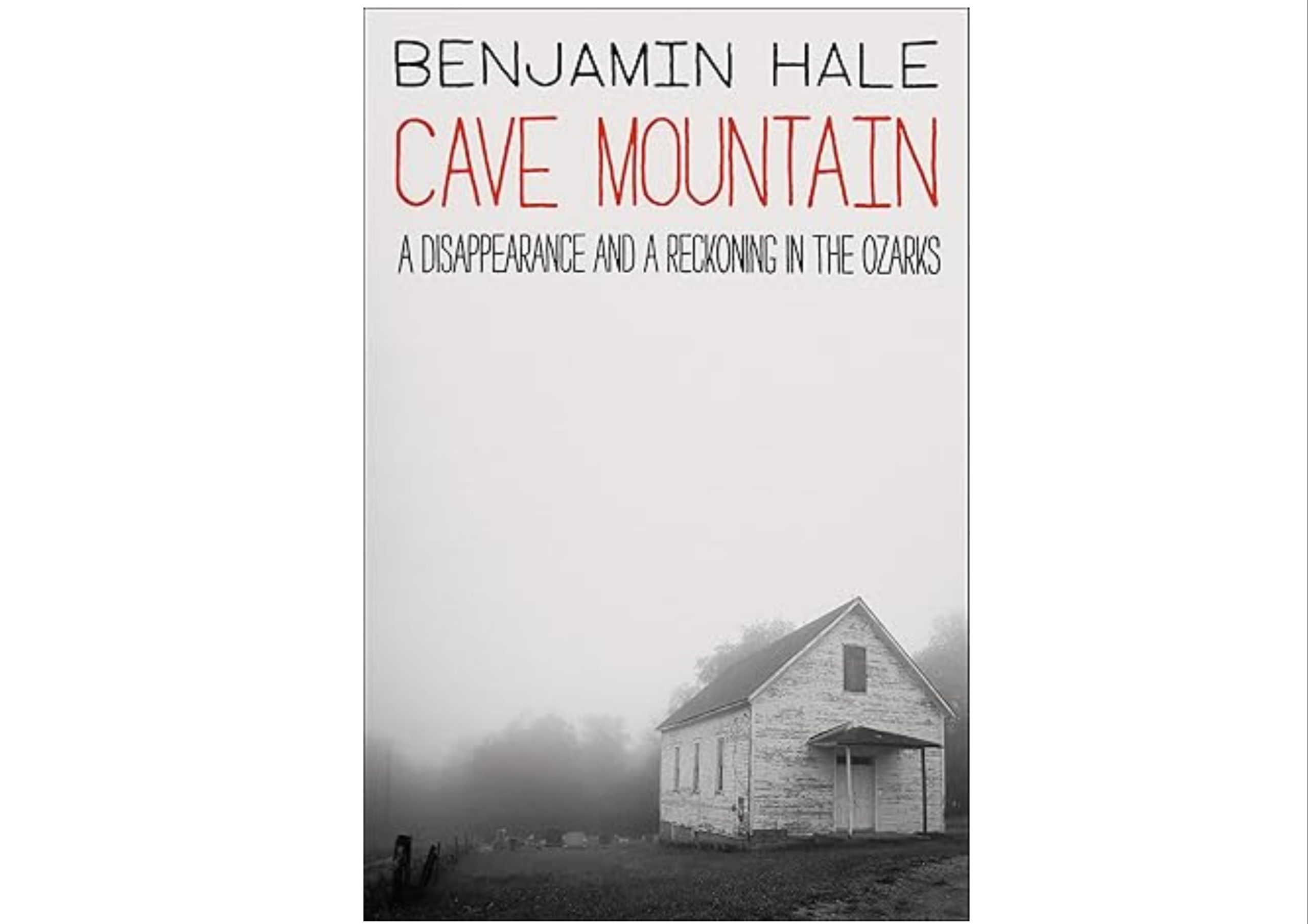
In 2001, six-year-old Haley Zega got lost on a family hike in the Arkansas wilderness. She was found after three days where she survived drinking river water. Now there’s a book about it. What does it take to be a book? Novelist and Bard College professor Benjamin Hale is Haley’s uncle, so he wrote an article about it in Harper’s. When an article is expanded into a book, you wonder how much extra filling you get in the reading. A lot of books should be articles, rather than the other way around. (A lot of articles should be Substack posts, a lot of posts should be tweets, and a lot of tweets shouldn’t exist at all.)
A psychic predicted where Haley would be ("next to a stream," which doesn’t sound like any great feat of magic). Volunteers combed the area, using a computer software that predicts where the missing person might be. The software is given a map, plus the age of the missing person, and gives percentage chances of where the person might be found.
So many people showed up to help the search that the rescue experts first directed them to the high-propensity areas, then started turning them away. Among those turned away are two hunters who knew the topography. The two hunters found Haley where the software said she wouldn’t be in a great triumph of craft over industry.
It’s the sort of story that’s big on local news for a few days, then disappears. Is this enough for a book?
Hale fills out that story with a 1978 cult murder. The connection? The murder occurred near the place where Haley was found. The location is very remote, so there’s that. And young Haley spoke about how an imaginary friend helps her. Could this be the ghost of Bethany Allana Clark, murdered 23 years earlier? Even Hale can’t bring himself to believe the 1978 haint saved, or had anything to do with, the 2001 missing girl.
But. Hale goes deep on the 1978 killing. He does yeoman work tracking down people still alive from that incident, a number found after the original Harper’s article and new to the book: some lawyers, a retired sheriff, and some members of the Church of God in Christ Through the Holy Spirit, including some people long imprisoned for the murder. The county deputy sheriff is now an 85-year-old hardware store cashier at Bob’s Do It Best Hardware and Lumber.
The church had perhaps a dozen members in the 1970s and was one of those entities the filmmakers behind True Detective think typifies actual churches, that there’d be some terrifying charismatic leader and slack-jawed adherents who follow that leader blindly, and how a declaration of "anathema" throws someone out of the church or leads to a killing in the thick bramble.
Neither halves by themselves make for a book, and neither has much to do with the other, except one murder and one missing person were within a few miles of the other two decades apart.
And yet it’s still fascinating stuff for fans of the agrestic branch of the true crime genre. Newton County has never had much more than 7,000 people. The justice is rough. The more guilty get less time than the less guilty. A criminal court is, after all, just another county bureaucracy. A stupendously guilty person who races to the county prosecutor to reach a deal beats out actual innocence.
All this was shortly before the Jonestown Massacre. Apocalyptic cults weren’t yet the focus of the public. Much smaller than the Reverend Jim Jones’s San Francisco church, the Church of God in Christ Through the Holy Spirit never had more than nine adults. The founders were Royal and Edith Harris, authors of The Third Step to Joyful Living, or How to Stop Worrying. (Hale never could find a copy of this book.) Edith had been a Methodist minister in perhaps the least likely cult-leader origin story.
The Harrises brought along two sons, including Mark, who Edith declared a prophet when he was 13 years old. Early member Suzette Freeman took over from Edith after Edith’s death. Rather than being a sole cult leader, she grafted herself on to the preexisting declaration that Mark, now only 17, was a prophet. Mark "The Prophet" would make mystical pronouncements purportedly from God, and Suzette "The Interpreter" would act as intermediary. Soon a young child was tragically declared anathema. (The large cast of characters makes for hard following. As with Wuthering Heights, you’d appreciate a family tree published in the front of the book, but there isn’t one.)
At almost 300 well-written pages, there’s surplusage to wade through. Hale’s own opinions on religion occupy a lot of pages, but he did add a lot of reporting from after the original article. A fan of rural gothic crime will enjoy this tale of an eerie backwater.
Cave Mountain: A Disappearance and a Reckoning in the Ozarks
by Benjamin Hale
Harper, 304 pp., $30
Robert Little is a criminal trial lawyer in California.
The post Strange but True Crime appeared first on .