How the Cole Disaster Drove the US to Develop New Warship Defenses
 QWER
QWER
The U.S. destroyer off the coast of the Arabian Peninsula was taken unawares by a small fiberglass skiff with two men on board. Before the crew knew what had happened, an explosion tore a hole 40 feet wide in the hull, killing 17 crew members and wounding 39 others.
That was in 2000 and the ship was the USS Cole, which narrowly avoided sinking after the devastating attack by suicide bombers from a group most Americans had never heard of at the time — al-Qaida — using a small boat laden with explosives at the Port of Aden in Yemen.
It was a pivotal attack on the United States by members of al-Qaida before its 9/11 assault a year later, at a time when most Americans were not focused on terrorism. The lessons the U.S. Navy learned from that episode — in which an inexpensive boat nearly sank a $789 million destroyer — could help determine how its ships fare a quarter century later near the Strait of Hormuz in the war with Iran.

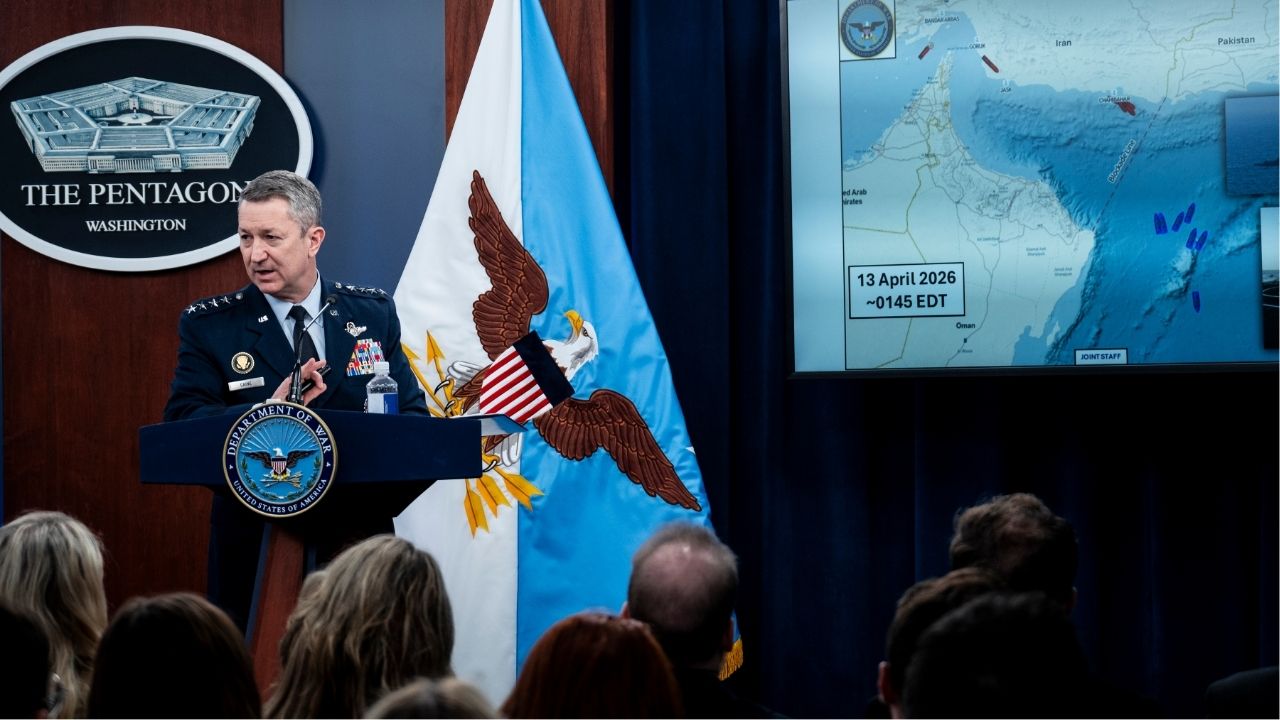
Iran has established a chokehold on transit through the critical waterway, threatening destruction to any ship that tries to pass through it without permission. In response, the U.S. has moved in a flotilla of ships, including about a dozen Arleigh Burke-class destroyers, patrolling the Gulf of Oman and the Arabian Sea south of the strait. The aim is to further pressure the Iranian economy by blocking oil exports from Iranian ports.
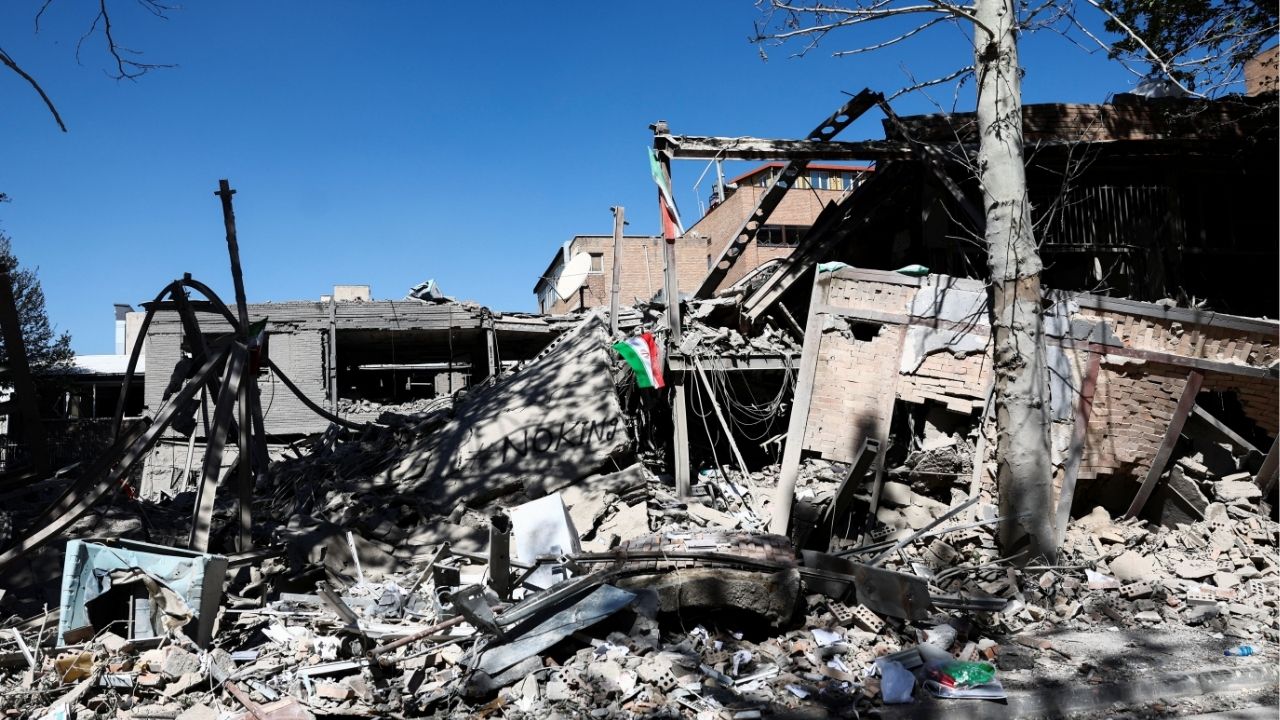
Iran has issued a series of bellicose warnings since the war started, laying naval mines in the strait, and on Saturday two Indian-flagged ships reported coming under fire. The U.S. added to the hostilities Sunday when a Navy destroyer attacked and seized an Iranian cargo ship that U.S. officials said had defied their blockade.
One major question facing the U.S. military is this: If the standoff on the seas turns into a military clash, will the changes made in response to the Cole disaster enable the U.S. military to repel any new attacks from the Iranians?
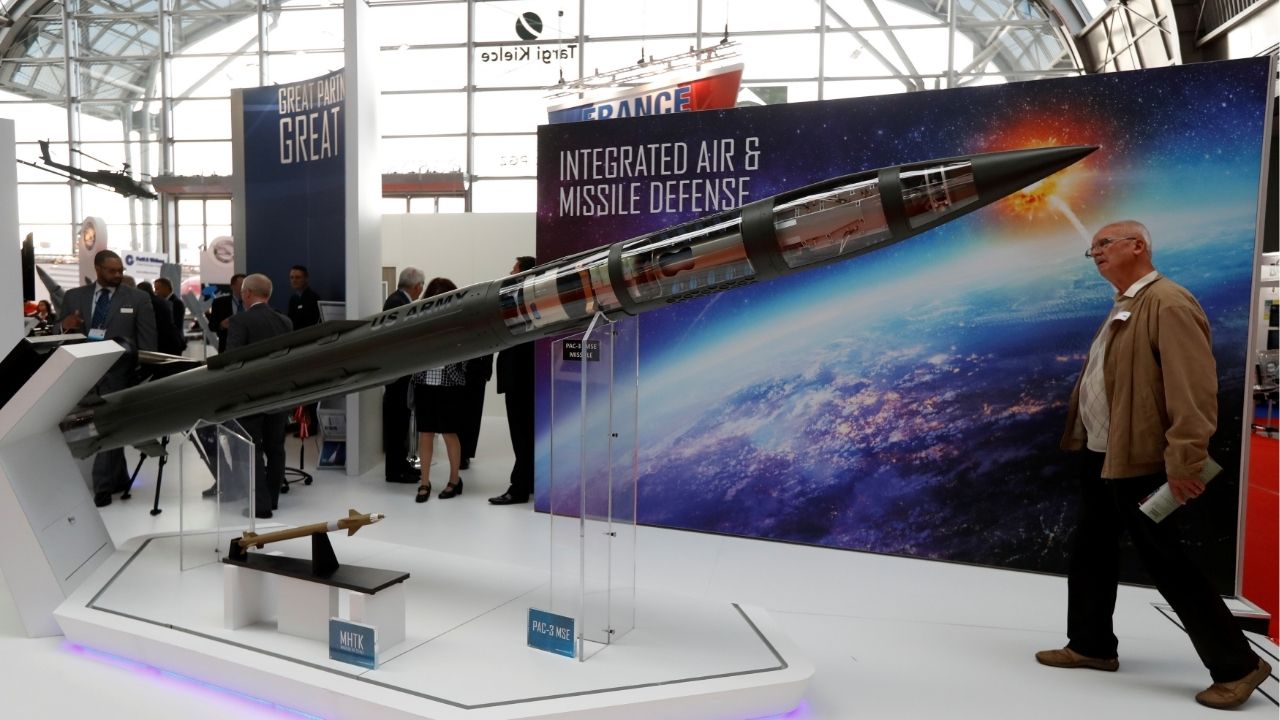
The Navy now has multiple options for defending its ships, analysts say. Following the Cole attack, Navy leadership created a task force called Hip Pocket to develop a range of new defensive weapons. They quickly added more automatic weapons to warships, as well as grenade launchers. And the current generation of Seahawk helicopters carried by Navy destroyers have advanced sensors and weapons that are far superior to those when the Cole was attacked.
Still, said Bryan Clark, a senior fellow at the Hudson Institute, in the narrow confines in and around the Strait of Hormuz, a swarm attack by unmanned maritime drones could be hard to defend against. “The problem is, you may have more than you can handle, 30, 40 drone boats; you’re not going to get them all with guns,” Clark said. “Some may leak through.”
The evolution of naval warfare has been on daily display in Ukraine, where the Russian fleet lost numerous ships to a mix of anti-ship missiles and unmanned sea drones. In April 2022, Ukrainian forces sank the Moskva, the flagship of Russia’s Black Sea fleet, starting fires and flooding that quickly put the vessel on the seafloor. Over time, Russian ships were forced to retreat to safer ports as Ukraine drove Russia’s once-feared navy mostly out of the fight.
Iran has been paying close attention, experts said, and also learning from its proxies in Yemen, the Houthis, a militant group that used a remote-controlled boat packed with explosives to attack a Saudi frigate in 2017, killing two.
“The U.S. Navy took note of that as an important technological development with regard to the ability of weaker adversaries to attack stronger ones at sea,” Michael B. Petersen, senior fellow at the Foreign Policy Research Institute, said of the Houthi attack. Iran does not have the resources to develop an advanced navy to take the U.S. head on, but “they do have the resources to build large swarms of small boats,” Petersen said.
Iran has built up a stockpile of anti-ship cruise missiles, which are launched from the back of trucks and can skim the wave tops as they approach a targeted vessel. For a warship close to shore, the amount of time to detect and engage such a missile is greatly reduced — and the Iranian launchers can be extremely difficult to locate.
Iran’s Revolutionary Guard also has a “mosquito fleet” of small, agile fast boats that specialize in hit-and-run attacks. And Iran can launch aerial drones like the Shaheds that have featured so prominently in this conflict either from boats or from land, as well as explosive-laden unmanned maritime drones.
The Navy has added new capabilities that may offer its warships a better chance of survival than the Russians have succeeded in implementing in Ukraine so far.
After the attack on the Cole, the Navy initially rushed more automatic weapons to the fleet, and by 2007 it had settled on a mix of twin 7.62 mm and .50-caliber machine guns to boost the short-range firepower of its warships.
The Navy also developed two new 5-inch diameter shells for the largest guns that destroyers and cruisers carry, designed specifically for attacking smaller, more nimble boats at a range of several miles. Those shells were optimized for these kinds of attacks by creating a shotgun-like effect of tungsten pellets to shred incoming attackers.
“The U.S. has been operating in the Persian Gulf, dealing with terrorist threats for a long time, preparing to a degree more than Russians have,” said Clark, who served in the Navy headquarters staff from 2004 to 2011.
The U.S. could use its arsenal of Reaper drones orbiting over ships to provide advanced warning of boat swarms approaching. If armed, the drones could begin picking off boats with small guided missiles and 500-pound bombs. The drones could also surveil Iranian boats that may be carrying naval mines, and mark the location of any mines that are laid in the sea.
One challenge is that those drones are launched from airfields on land, and could potentially be too far away to effectively respond in an emergency. For situations like those, destroyers can quickly launch their Seahawk helicopters to intercept an incoming vessel — and engage it with Hellfire missiles and small laser-guided rockets.
With the ability to fly nearly 300 miles from a ship and return, those armed helicopters greatly extend a warship’s ability to actively defend itself before shipboard weapons become necessary.
—
This article originally appeared in The New York Times.
By Nicholas Kulish, John Ismay and Constant Méheut/Pete Marovich
c. 2026 The New York Times Company
The post How the Cole Disaster Drove the US to Develop New Warship Defenses appeared first on GV Wire.