US and Iran ceasefire talks in question as deadline approaches
 QWER
QWER

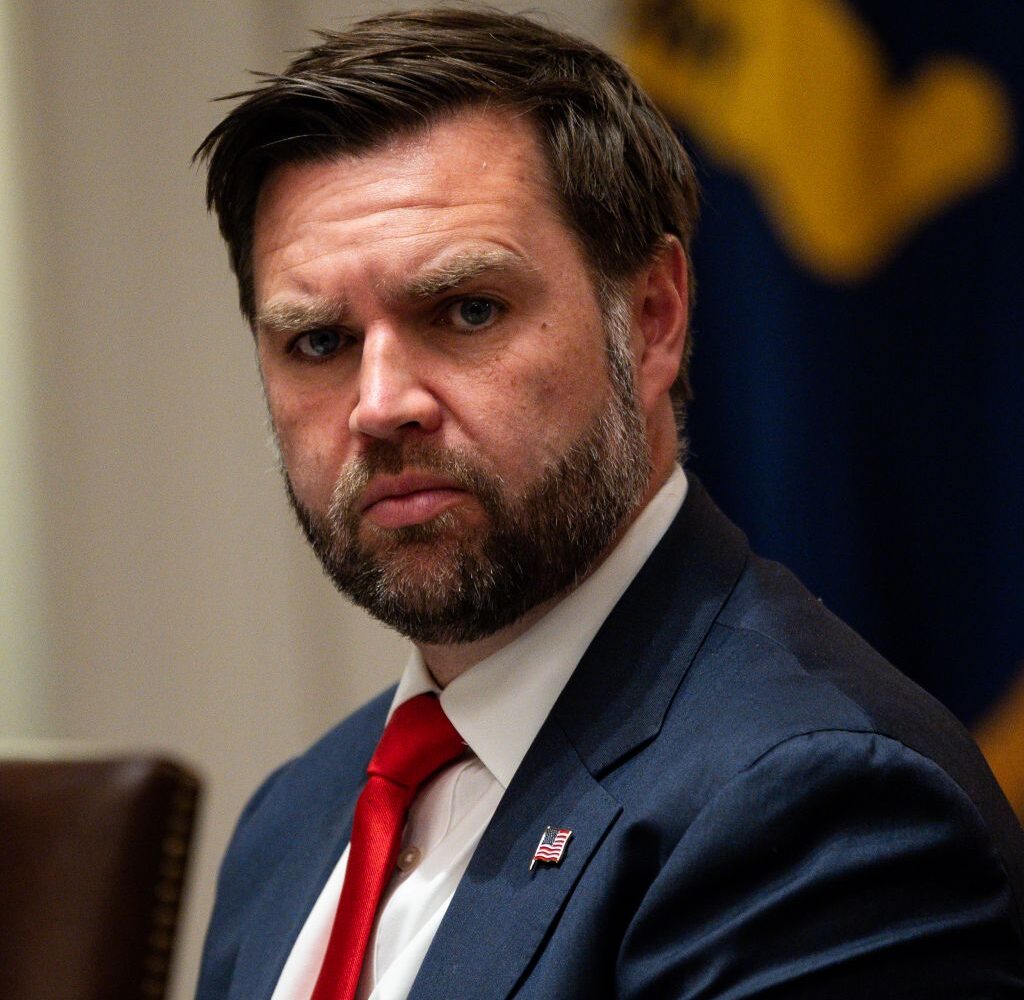
As Vice President JD Vance was expected to lead U.S. negotiations with Iran in Islamabad, Pakistan, Iran has not committed to sending officials to a planned summit scheduled for Wednesday. While Iran decides whether to attend, Vance remained in Washington Tuesday afternoon as a critical deadline approaches.
The potential negotiations, which both sides have wavered on whether they will take part in, come as a fragile two-week ceasefire is set to expire. There has been confusion regarding the exact deadline. The AP provided guidance that the ceasefire would end at 8 p.m. Eastern time on Tuesday, but President Donald Trump said in an interview he views Wednesday evening as the end of the agreement.
Trump's interpretation matters as commander in chief, as he would be the one ordering a resumption of combat operations against Iran. Trump warned that combat operations could resume if a deal is not reached.
"Lots of bombs will start going off without an agreement," Trump said.
RELATED STORY | Iran vows retaliation after U.S. seizes ship ahead of ceasefire deadline
Trump also said on social media that Iran has violated the ceasefire multiple times.
Iran's speaker of the parliament and top negotiator posted on social media on Monday regarding the talks.
"We do not accept negotiations under the shadow of threats. And in the past two weeks, we have prepared to reveal new cards on the battlefield," Parliament Speaker Mohammad Bagher Ghalibaf wrote.
If talks resume, they are expected to focus on Iran's nuclear ambitions, nuclear weapons, and enriched uranium. Iran has not wanted to abandon its nuclear ambitions for decades, which Trump has called a red line.
Negotiations could address Iran's control of the Strait of Hormuz, a key shipping lane for 20 percent of the world's oil and natural gas. Oil prices have soared more than 30 percent since the conflict began, and U.S. gas prices have hovered above $4 a gallon. The U.S. record for the highest national average occurred in 2022 during the Russia-Ukraine war, when prices surpassed $5 a gallon.
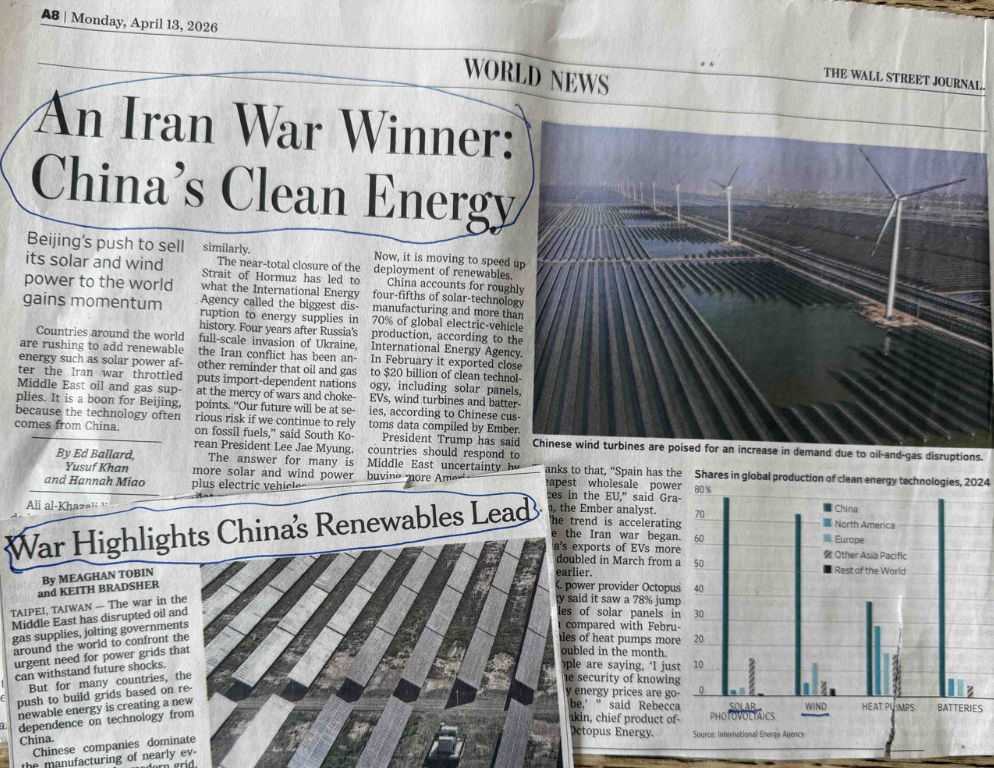
China is now demanding the reopening of the Strait of Hormuz. The Premier of China called upon countries to reopen the waterway, as the blockade has greatly impacted Asia. While China has oil in its reserves, Xi Jinping does not want a long-term energy crisis.
RELATED STORY | Second round of Israel-Lebanon talks expected Thursday amid Iran war tensions
Meanwhile, the Department of Defense announced on social media that the U.S. military is continuing operations in the Indo-Pacific region involving vessels flagged for sanctions. This includes operations with a vessel accused of smuggling Iranian energy to support the Iranian regime.