What to Know About the Israel-Lebanon Ceasefire
 QWER
QWER
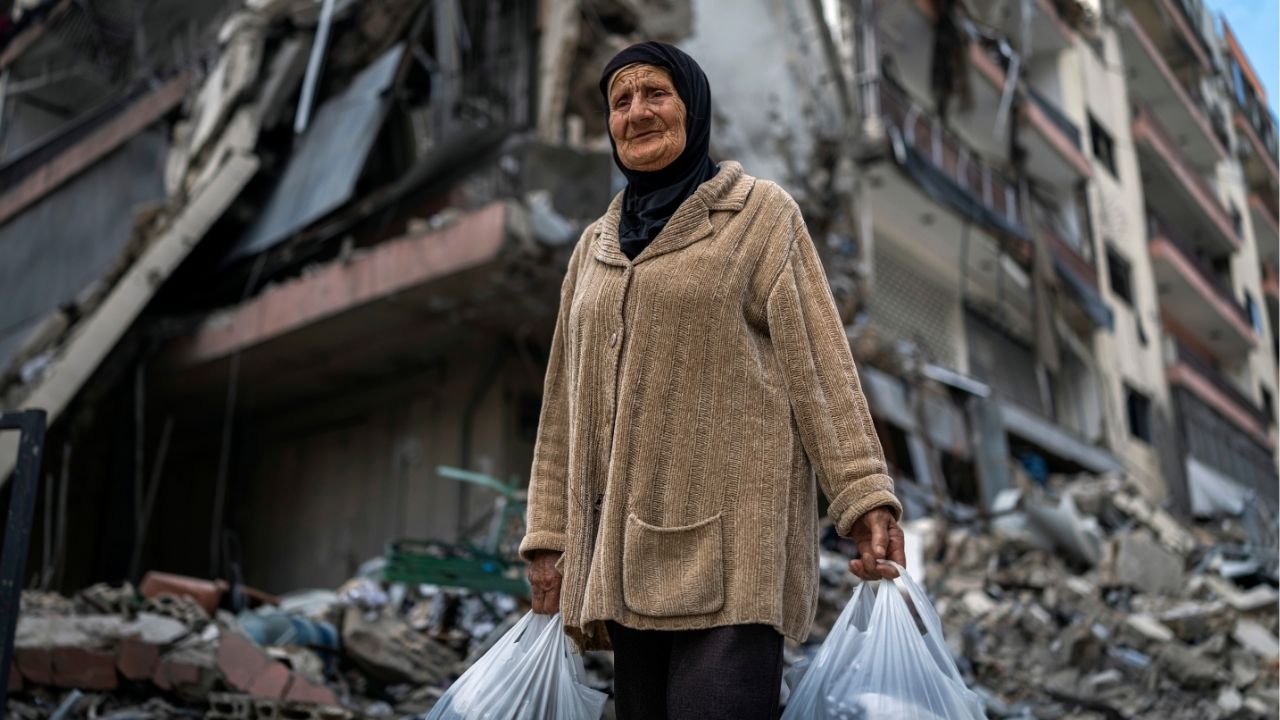
A 10-day ceasefire between Israel and Lebanon went into effect Friday, potentially removing a major stumbling block in the ongoing peace talks between the United States and Iran.
Hezbollah, the Iran-backed militant group Israel has been targeting in Lebanon, did not directly address whether it would accept the truce, though it has shown little indication it would violate it. The deal also has created a political headache for Israeli Prime Minister Benjamin Netanyahu.
More than 2,100 people have been killed in Lebanon since early March, the Lebanese authorities say. Thousands of displaced families hoped the ceasefire would allow them to return to their homes.

What Led to the Agreement?
President Donald Trump announced the ceasefire on social media late Thursday, following a diplomatic push by the United States. “No more killing. Must finally have PEACE!” he said in a post.
It followed rare, direct talks between Lebanese and Israeli officials in Washington this week.
Lebanon has been a battleground for the fight between Israel and Hezbollah for more than four decades and the two nations have no formal diplomatic relations.
Hezbollah, which the United States has long designated as a terrorist organization, was not at the meeting, held on the premises of the State Department.
What Is in the Agreement?
The State Department, outlining the truce in a memo Thursday, said that Israel and Lebanon had agreed that only Lebanon’s official security forces would be authorized to bear arms in southern Lebanon, which borders Israel. It said Israel would retain its right to act in self-defense, but would not carry out “offensive operations” against Lebanese targets by land, air or sea.
The memo said that the Lebanese government, with international support, would be expected to take “meaningful steps” to prevent Hezbollah from carrying out attacks against Israeli targets. The country’s military, however, has long been too weak to control Hezbollah, which they have accused of operating at Iran’s behest.
Will Hezbollah and Iran Accept the Ceasefire?
Hezbollah acknowledged the announcement in an official statement, but did not say whether it would accept the agreement or its terms.
In a statement Friday, the group warned that “the hands of these fighters will remain on the trigger.”
Earlier, Hezbollah’s media office said that any ceasefire “must be comprehensive across all Lebanese territory,” and that it would not allow Israeli forces “any freedom of movement.” Its response to a truce, the group said, would depend “on how developments unfold.”
Hezbollah has in the past abided by some deals negotiated by the Lebanese government. Analysts say Hezbollah has little incentive to resume attacks, given the severe humanitarian toll the war has taken on its support base.
Iran welcomed the deal. The spokesperson of Iran’s Foreign Ministry, Esmail Baghaei, described it as part of the Iran-U. S. ceasefire agreement brokered by Pakistan last week.
There was disagreement over whether Lebanon was included in the earlier deal: To U.S. and Israeli officials, the Lebanon agreement is separate from that April 7 deal, which calls for a two-week stop to hostilities between Iran, Israel and the United States.
What Does the Deal Mean for Israel?
Netanyahu faced criticism from within Israel as soon as he confirmed the ceasefire. The deal appeared to reflect Washington’s desire to wind down the fighting in Lebanon, which has threatened to undermine the fragile ceasefire with Iran. But it leaves Netanyahu without having achieved his own goal of gutting Hezbollah, a point his critics seized upon.
Netanyahu said Israeli troops would remain inside Lebanon, as part of what he called an “expanded security zone” from Lebanon’s Mediterranean coast to its border with Syria, south of the Litani River.
Is the Truce Holding?
The Lebanese army said overnight that it had recorded several Israeli violations after the ceasefire went into effect. The Israeli military did not respond to a request for comment.
Israel and Hezbollah traded strikes Thursday right up to midnight, when the ceasefire took effect, according to statements from both sides.
In a statement released at midnight, the Israeli military said it had struck 380 Hezbollah targets in Lebanon in the prior 24 hours, including launchers and headquarters sites. The Israeli military said it remained “on high alert in defense.”
—
This article originally appeared in The New York Times.
By Lynsey Chutel/Diego Ibarra Sanchez
c. 2026 The New York Times Company
The post What to Know About the Israel-Lebanon Ceasefire appeared first on GV Wire.