Trump’s Iran Proposal Has Echoes of Half-Finished Gaza Deal
 QWER
QWER
JERUSALEM — The negotiations between the United States and Iran to end their war are following President Donald Trump’s familiar playbook for resolving a Middle East crisis: agree to a ceasefire and deal with the toughest problems later.
Analysts say the approach has had mixed results in the Gaza Strip, where Trump brokered a truce last year between Israel and Hamas, the Iranian-backed militant group. Plans for a so-called Phase 2 agreement — under which Hamas was to lay down its arms and Israel would allow Gaza to be rebuilt after a devastating war — have stalled. A similar approach in U.S. talks with Iran would run the same risks.
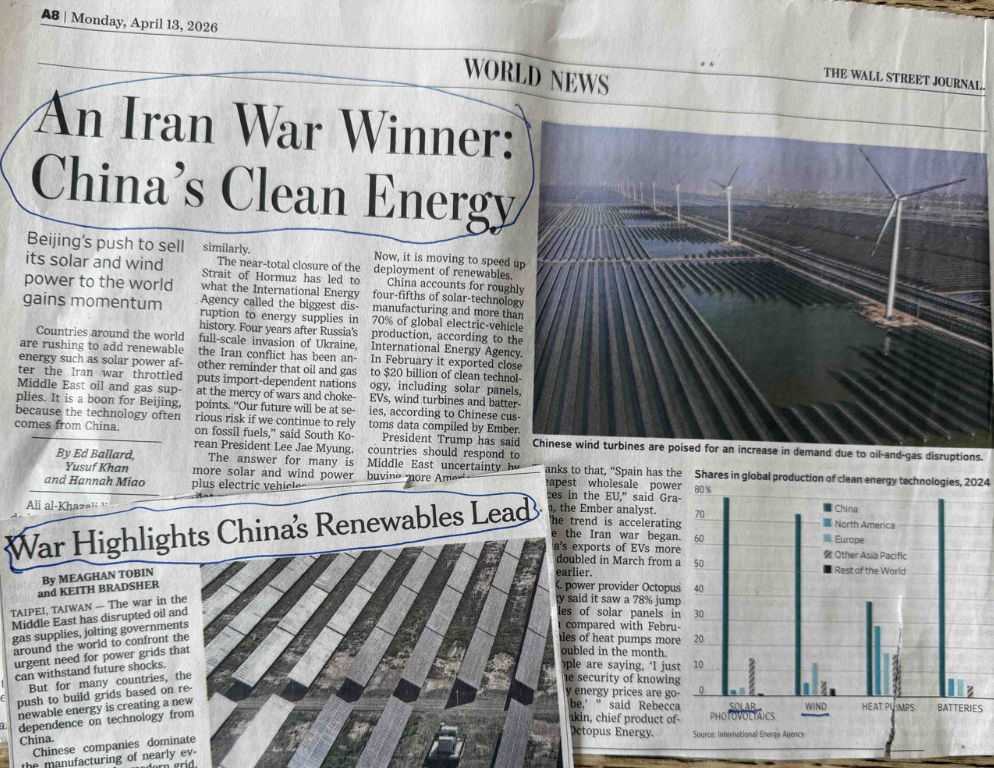
Officials say the Trump administration’s latest proposal focuses on ending Iran’s blockade of the Strait of Hormuz, the Persian Gulf waterway that is a key transit route for oil and gas shipments. Iran imposed a near blockade on the strait after the United States and Israel attacked the country in late February, causing energy prices to soar and increasing pressure on Trump at home as voters endured rising costs.

Discussions to resolve some of the president’s stated goals for launching the war — far more contentious issues like ending Iran’s nuclear program, and dealing with its missile stockpiles and its support for militia groups across the Middle East — would be pushed off for later.
Taking a phased approach to complicated negotiations can be beneficial, said Michael Koplow, the chief policy officer at the Israel Policy Forum, a New York-based research group. But in Trump’s case, it could also be as a way for the president to claim victory while leaving the core issues unsolved, he added.
Iran’s leaders have also been emboldened by the military conflict, making them less likely to compromise in future talks, analysts say.
In Gaza, U.S. negotiators initially made good progress. The first part of the agreement in October secured the release of the remaining hostages held by Hamas, a partial Israeli military withdrawal, and a surge in shipments of food and medicine into the territory for desperate Palestinians.
But the Trump administration has hit a wall in resolving the tougher questions that were delayed to the second phase of discussions. Hamas has not laid down its weapons, an international force is not about to be deployed to Gaza, and a new Palestinian administration has not taken charge of rebuilding the enclave’s devastated cities.
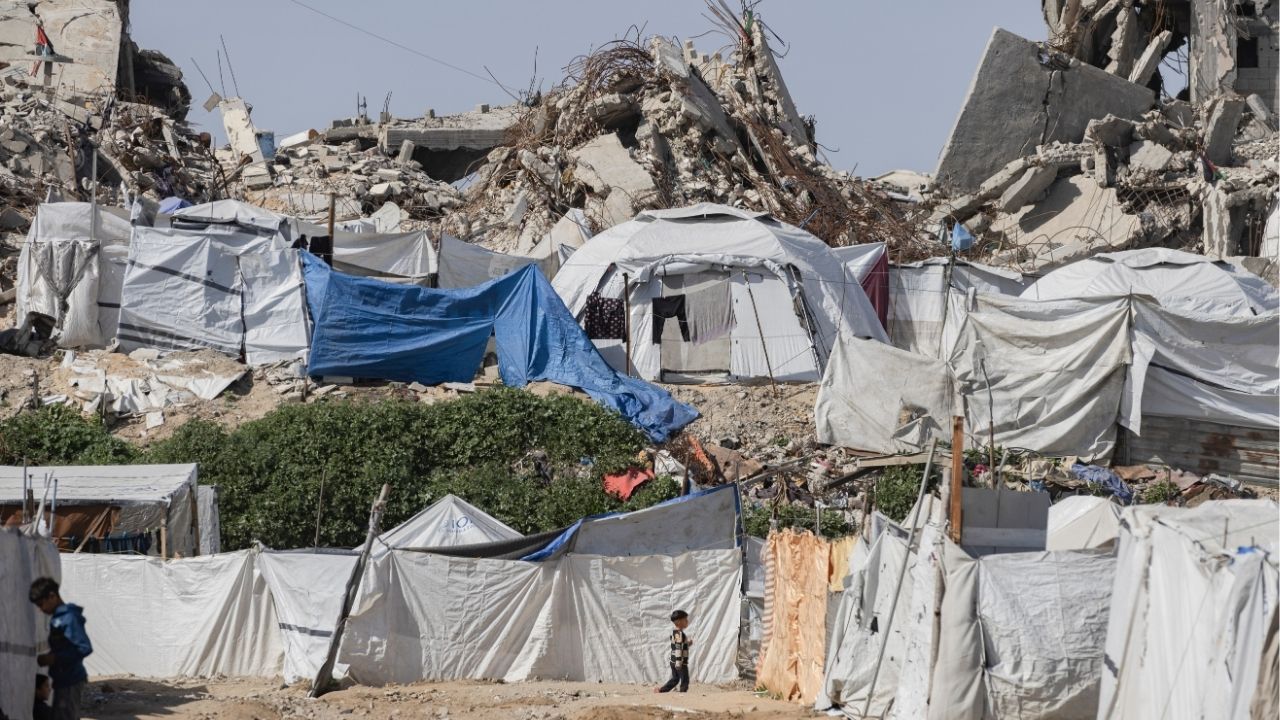
Instead, Israel continues to bombard Gaza on a near-daily basis, and Hamas is consolidating its power in the half of the territory that it controls. A committee of Palestinian technocrats that was supposed to take charge of governing the territory has remained in Egypt. And rather than rebuilding Gaza, aid groups say many Palestinians there are still living in rat-infested tent camps amid rubble.
Nickolay Mladenov, a former U.N. envoy to the region who is now effectively the Trump administration’s point man on Gaza, conceded in a news conference this month that “for all Palestinians in Gaza, the war does not yet feel fully over.”
The Trump administration has yet to crack “how you complete phase one, then get to phase two” in Gaza, Koplow said. Instead, it announced “a series of flashy things that then were never implemented,” he said.
“Iran is going to be far tougher, because it’s a much bigger conflict, and the issues are harder and far more complicated,” he added.
—
This article originally appeared in The New York Times.
By Aaron Boxerman/Saher Alghorra
c. 2026 The New York Times Company
The post Trump’s Iran Proposal Has Echoes of Half-Finished Gaza Deal appeared first on GV Wire.