

Zuckerberg strikes deal with Meta’s board to stay in California as billionaire tax vote looms

Buried in a regulatory filing released the same day Metas latest earnings showing record revenue, CEO Mark Zuckerberg and Metas board struck a deal that could help him pay Californias proposed billionaire tax, in exchange for a promise to stay in the state.
Meta reported revenue of $64.6 billion for the third quarter, up 26% from the same period last year. The company spent $34.9 billion on capital expenditures in the quarter, much of it on AI infrastructure, and expects to spend $135 billion to $145 billion this year.
Our investments are paying off, the core business is strong, and were seeing velocity across the board, Zuckerberg said in the earnings release.
Alongside the earnings, Meta announced it will create a new class of publicly traded, non-voting stock, known as Class C shares, starting in January 2027. Every shareholder will receive one Class C share for each share they already own, which works much like a two-for-one stock split.
IN CASE YOU MISSED IT | Meta ordered to pay New Mexico $25 billion for deceiving users about privacy on Facebook
According to a filing with the Securities and Exchange Commission, the arrangement was negotiated over eight months by a special committee of independent directors, and it was shaped in large part by Californias Proposition 40. The ballot measure would impose a one-time 5% tax on the net worth of state residents worth more than $1 billion.
The filing says Zuckerberg told the committee he was considering moving his primary residence out of California because of the potential tax. It also notes that listing his California home for sale would be public and would raise questions among employees.
Zuckerberg controls about 60.6% of Metas voting power through his supervoting shares. He told the board that if he had to sell those shares to pay the tax, his voting stake could fall to about 53%.
Under the deal, Zuckerberg can immediately sell up to 20% of the Class C shares he receives, roughly 10% of his overall economic stake in Meta. The filing says he can use them to pay any Prop 40 tax liability without affecting his voting control. The remaining 80% unlock gradually, 2.5% each quarter over eight years, but only while he stays in a full-time leadership role at the company.
In return, Zuckerberg committed to remain a California resident, or a resident of wherever Meta is headquartered, for eight years. The only exception is material unforeseen circumstances.
IN CASE YOU MISSED IT | California governor rivals clash over costs, homelessness, and Trump in only debate
The committee argued that keeping Zuckerberg at headquarters is critical as Meta races to compete in AI, particularly with its Meta Superintelligence Labs. It pointed to the difficulties Meta faced during the COVID-19 pandemic, when Zuckerberg couldnt be physically present with the companys management team.
The filing also notes that Zuckerberg has taken a $1 annual salary since 2013. If the tax passes, the committee wrote, he would effectively be paying to serve as CEO while living in California.
The negotiations werent easy. The committee initially pushed for provisions that would eventually phase out Zuckerbergs voting control, but he refused to support any deal that could cost him control of the company. The filing describes the talks as protracted and at times contentious.
Meta shareholders did not get a vote. Entities tied to Zuckerberg, which hold about 56.1% of the companys voting power, approved the changes by written consent.
The new stock also serves Metas broader ambitions. The filing says the company expects to raise significant capital to fund its AI growth plans, and non-voting Class C shares would let it do so without diluting Zuckerbergs control.
California voters will decide Prop 40 on Nov. 3. The latest Citrin-Politico poll shows 46% of likely voters in favor and 43% opposed, according to Forbes.
Opponents, largely tech executives, have raised more than $340 million to defeat the measure. Two countermeasures on the same ballot, Propositions 41 and 42, are designed to cancel out the tax if they pass, and polling shows slim majorities support all three.
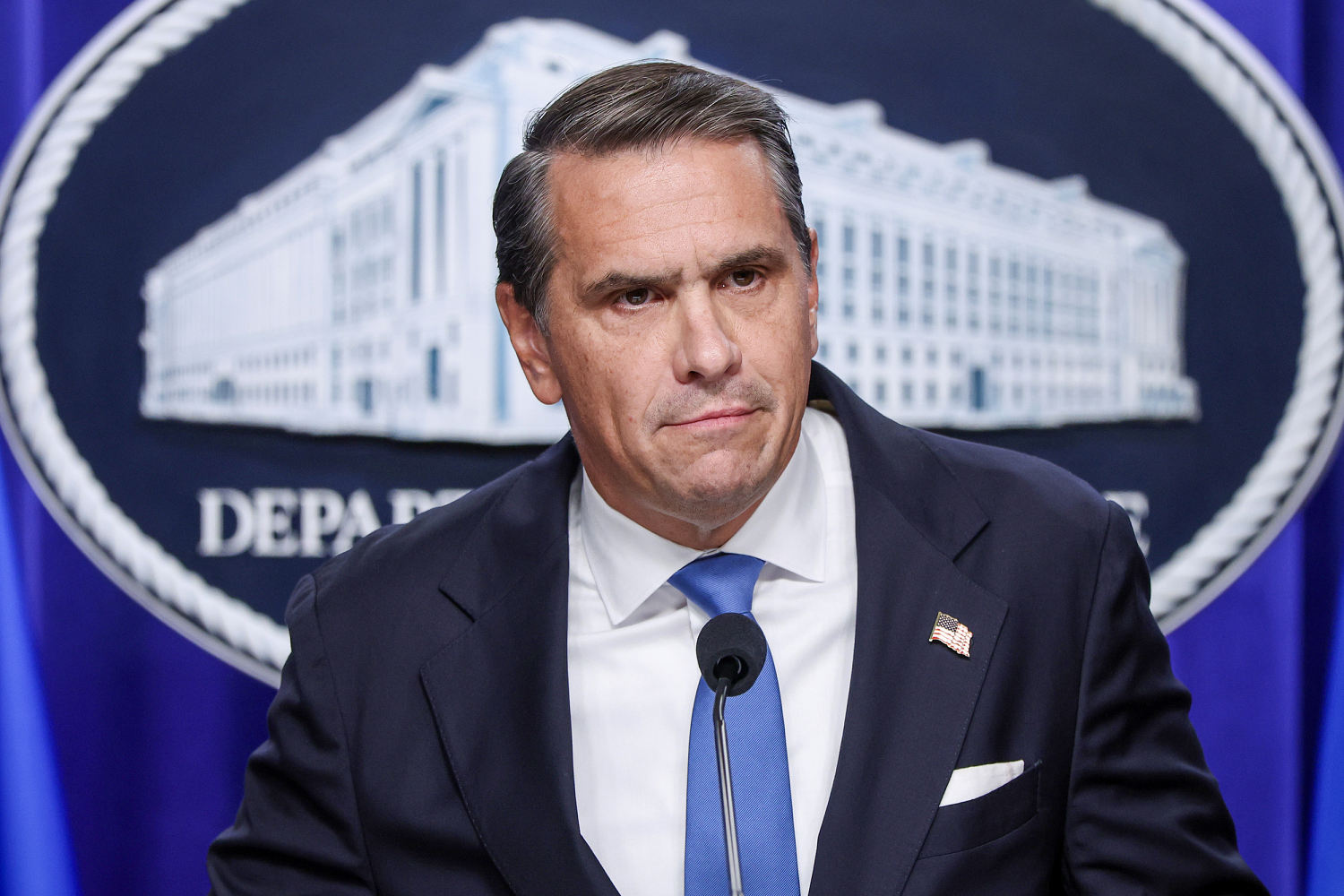
Meta is also facing a bill that isnt reflected in its latest earnings. On Wednesday, Judge Francis Mathew of New Mexicos First Judicial District Court ordered Meta to pay $25 billion after a jury found the company misled Facebook users about their privacy. The case stems from the Cambridge Analytica scandal.
Jurors in September found Meta liable for more than 43 million violations of the states consumer protection laws. Mathew found the state could have been entitled to more than $219 billion, but reduced the penalty. New Mexico had sought $35 billion to $40 billion, and Meta argued for no more than $3.45 billion. Under New Mexicos constitution, the money goes toward education.
Over 350,000 New Mexicans had their personal information sold or brokered without their knowledge to a political consulting firm, New Mexico Attorney General Ral Torrez said at a news conference Wednesday.
Torrez called the judgment a warning to the entire tech industry.
Todays judgment, from a state which admittedly is not very big in terms of population, should be a clear warning to everyone in big tech, Mr. Zuckerberg, Meta, social media companies, indeed, AI companies, artificial intelligence, he said.
Meta plans to appeal.
This ruling, and the Attorney Generals approach to this enforcement, makes it all but impossible to do business in the state of New Mexico, C.J. Mahoney, Metas chief legal officer, said in a statement provided to Scripps News. At its core, this lawsuit seeks to impose a tax on speech to enforce new rules for what people can say online. We are confident we will prevail on appeal.
The penalty adds to Metas mounting legal costs. Its third-quarter expenses included a $9.89 billion charge tied to an August agreement with 52 state attorneys general over teen mental health claims. The company also warned investors it has several youth-related trials scheduled in the coming months.
 Like
0
 Dislike
0
 Love
0
 Funny
0
 Wow
0
 Sad
0
 Angry
0









Comments (0)