Why the Migrant Child Crisis Is Roiling the California Governor Race
 QWER
QWER
In the first years of the Biden administration, thousands of children crossed the border alone and ended up working in some of the most dangerous jobs in the country. Migrant children as young as 13 suffered chemical burns on overnight factory shifts, had their limbs mangled by conveyor belts or fell to their deaths from roofs.
I broke this story in 2023. I didn’t expect that three years later, the reporting would become a major line of attack in the California governor’s race.
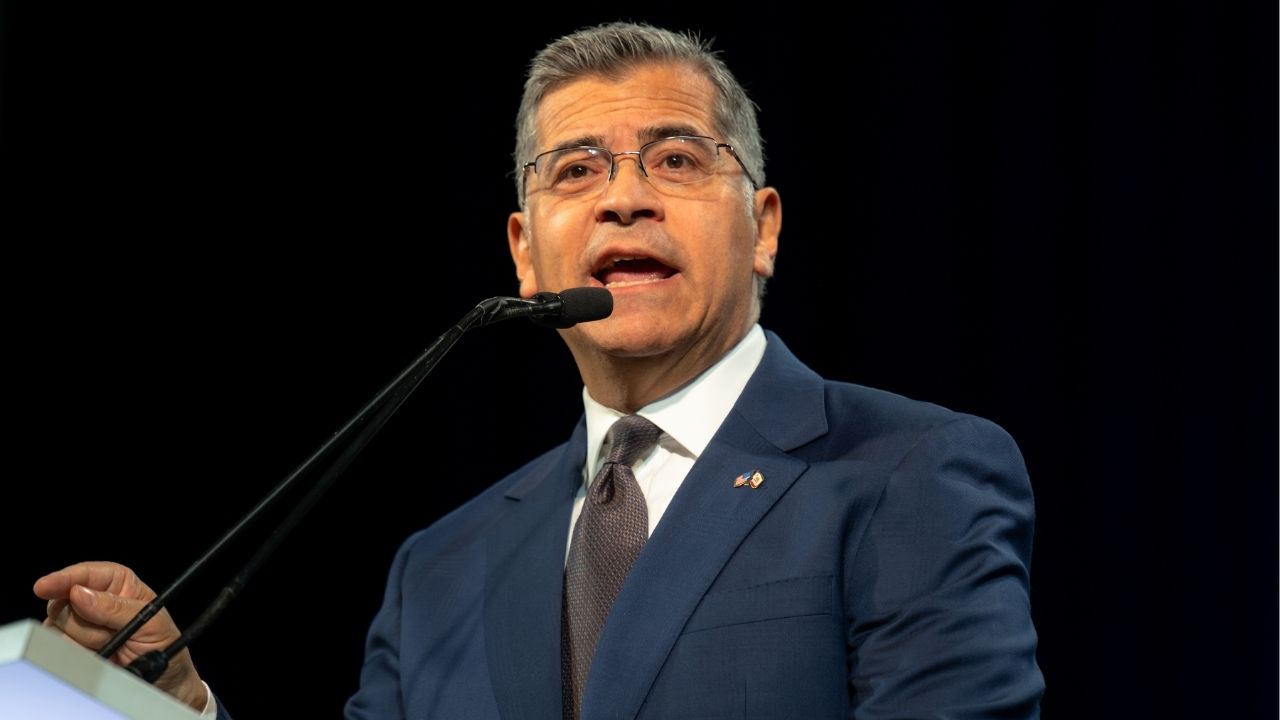
Opponents of Xavier Becerra, the Democratic front-runner, have been excoriating his tenure as secretary of the Health and Human Services Department, the federal agency that was responsible for finding safe homes for those children. In the past two weeks, campaigns have spent more than $6 million on commercials in English and Spanish using my reporting (and even my voice, taken from interviews I did), according to AdImpact, a tracking service.

One ad says that “more than 85,000 migrant children went missing” under his watch. Another says that during Becerra’s tenure “kids suffered from forced labor, trafficking and abuse.”
Becerra has called the allegations “Trump lies.”
There has been spin on all sides. With just weeks to go before the June 2 primary, here’s what we reported — and what we didn’t.
Did Children Disappear on Becerra’s Watch?
In debates, Becerra has been grilled again and again about the whereabouts of 85,000 children who went “missing” while he ran HHS.
The children didn’t vanish. But the reporting found serious breakdowns in how HHS vetted sponsors and safeguarded children.
HHS is responsible for children when they first cross the border. Caseworkers care for them in government shelters, vet the adults who come forward to take them in and then follow up with a phone call a few weeks later to check in.
Early in the Biden administration, so many children were entering the country that Becerra began urging staff members to move them more quickly through shelters, which could be crowded and makeshift. Employees told me they loosened protections that had been in place for years, including in screening sponsors. The department denied this and said it had never compromised safety.
During this time, HHS did not reach a third of released children with a follow-up call. That came to about 85,000 children.
Some of those children, I found, were working in dangerous jobs. But there were also many ordinary reasons children did not answer calls. Some had changed phone numbers. Others screened unknown calls or feared they were in trouble. Often, HHS called only once and never tried again.
What Exactly Happened to Migrant Children?
In 2021 and 2022, children migrated to the United States in record numbers, usually from impoverished towns in Central America. Most of them were not reuniting with parents but living with sponsors who often encouraged, helped or even forced them to work. Thousands ended up in punishing jobs that were illegal for minors — cleaning slaughterhouses or working at lumber mills or in roofing.
This failure went far beyond HHS. Labor Department inspectors did not effectively enforce child labor laws. Schools declined to report that their students were working long hours in jobs that should have been off-limits. Multinational companies ignored young-looking faces on their factory floors.
When the first article was published, HHS defended its actions. It said it wanted to release children from shelters swiftly, for the sake of their well-being, and that it couldn’t be held accountable for everything that happened after they left.
Within HHS, many staff members were angry with Becerra. Again and again, they sent up reports, including some that reached his level, warning that children appeared to be at risk.
This week, the same HHS employees told me they were frustrated that the California race seemed fixated on claims about 85,000 “missing” children. What troubled them more, they said, was that the government rushed to release 250,000 children and then did so little to find out what became of them.
Did Children Die?
Children did die after being sent to their sponsors. Others were catastrophically injured.
Here are just a few I found: Andrés Toma, 16, fell to his death three months after being sent to live with an uncle. Antoni Padilla, 15, lost the ability to speak after falling from a roofing job. Marcos Cux, released by HHS at age 13, was working at a chicken plant when a machine tore open his arm. When I met him, it hung limply by his side. It’s unclear whether these children received HHS follow-up calls or whether a call would have mattered.
Children and parents both consistently told me they had not imagined how dangerous the work would be or how relentless.
Child workers were mostly living adult lives, expected to contribute to rent and pay off debts, allowed to go to school only after working night shifts or not allowed to go at all. In other words, the kind of situations HHS was supposed to screen out.
Some sponsors told me they believed that they were doing children a favor by helping them migrate and support their families. But many also kept careful tallies of what the children owed, including for their clothes, meals and lodging, and charged monthly interest.
What Does Becerra Say Now About This?
Earlier this week, my colleague Laurel Rosenhall, who is covering the governor’s race, gave Becerra a chance to address the criticism. She asked him what conclusions voters should draw about his ability to manage a crisis as governor.
Becerra cited President Donald Trump’s policy of child separation — which was carried out by the Department of Homeland Security, not HHS — and told her he had done better by migrant children. But he said that he could not be held responsible for what happened to children after they left federal custody.
“What employers did, after they left our care, after they left our jurisdiction, where the exploitation of children may have occurred, was not on my watch,” he said. “While those kids were with us, they didn’t get exploited. While those kids were with us, they were cared for, and we’re very proud of what we did.”
There’s a debate about how long HHS should be held accountable for what happens to the children it releases.
The department is required by Congress to ensure children are released only to adults who will provide for their well-being and shield them from trafficking and exploitation. But unlike the foster care system, HHS is not required to support children until they reach adulthood. Under Becerra’s leadership, the department generally released children, made a follow-up call and then closed their files.
What Has Happened to the Children?
After our reporting, the White House moved quickly to fix many of the problems, including strengthening sponsor vetting and making sure children could call a hotline for help if they were in trouble.
HHS overhauled how it followed up with children. Caseworkers began visiting sponsors’ homes and offering children comprehensive post-release services and some legal help. The Labor Department also began cracking down on employers.
The changes were driven by President Joe Biden, who instructed his aides to take immediate action after the first article was published.
Becerra was repeatedly called before Congress and questioned by both Republicans and Democrats. But then, as now, he said that what happened to the children after they were released from HHS shelters was not his responsibility.
—
This article originally appeared in The New York Times.
By Hannah Dreier/Mike Kai Chen
c. 2026 The New York Times Company
The post Why the Migrant Child Crisis Is Roiling the California Governor Race appeared first on GV Wire.