Wall Street Extends Losses After Fed Decision, Big Tech Earnings on Tap
 QWER
QWER

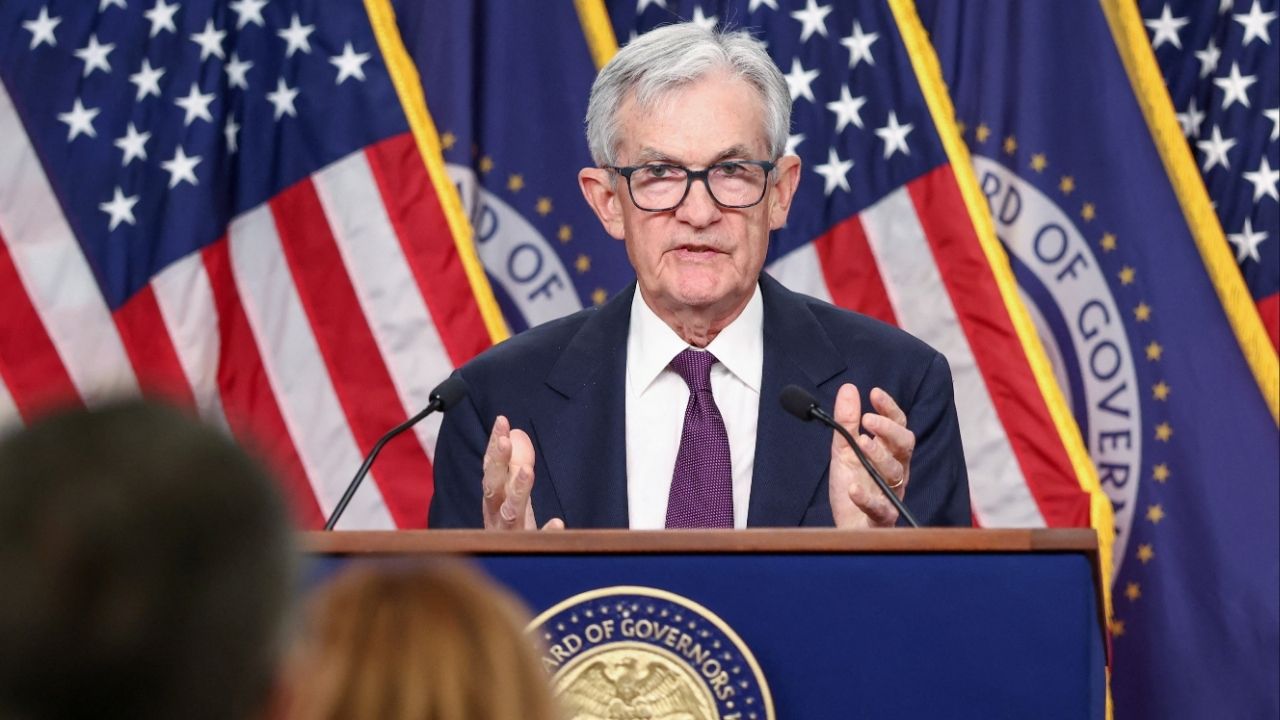
Wall Street moved lower on Wednesday, with spiking crude prices fanning inflation worries as the U.S. Federal Reserve left interest rates unchanged at the conclusion of what is likely to be its last monetary policy meeting under Chair Jerome Powell.
The three major U.S. stock indexes gyrated lower after the Fed’s policy statement revealed the decision to hold rates steady was its most divided since 1992, along with uncertainties concerning rising energy prices due to turmoil in the Middle East.
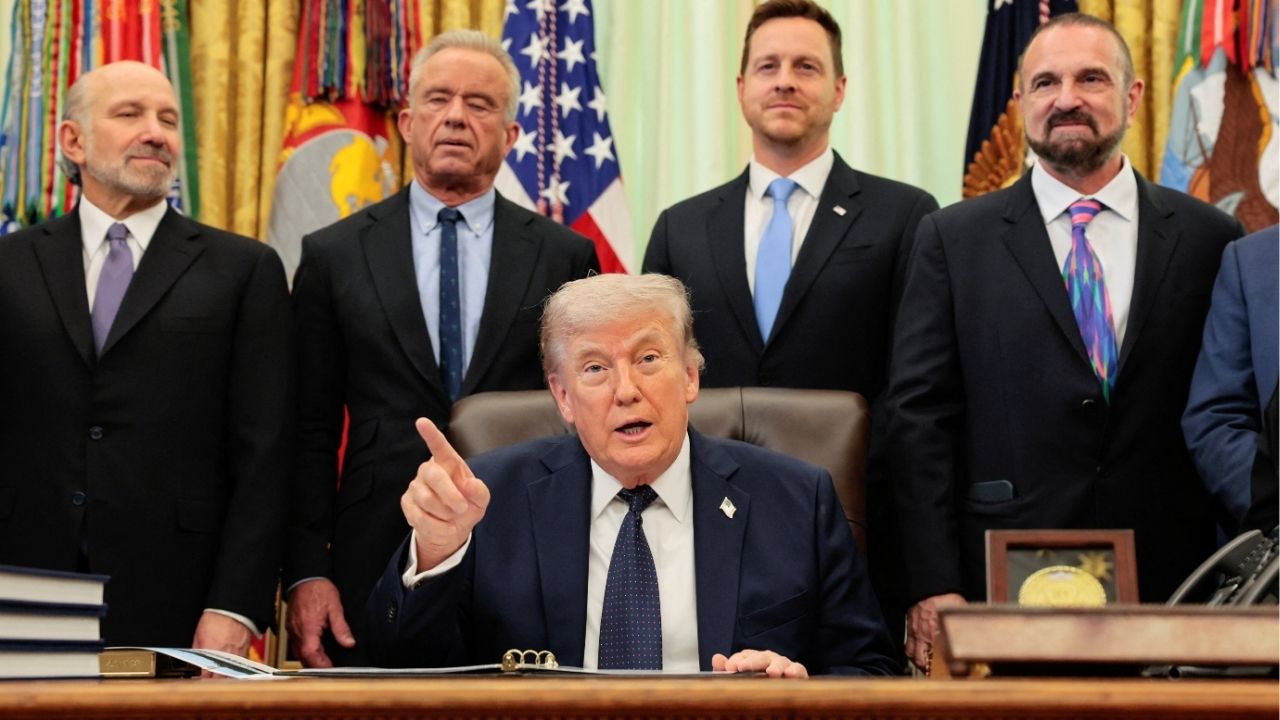
Crude prices jumped after the White House confirmed reports that U.S. President Donald Trump told officials to prepare for a prolonged blockade of Iranian ports, which suggests ongoing supply pressures due to restricted traffic in the crucial Strait of Hormuz.

“Today oil prices are pretty much leading the movement in the market because it does not appear as if we’re going to be getting any kind of a quick resolution to the closure of the Strait of Hormuz,” said Sam Stovall, chief investment strategist at CFRA Research in New York.
A White House official said Trump had met with top officials from Chevron and other energy companies to talk about possible steps to calm oil markets in case a prolonged blockade of Iranian ports continues for months.
Rising energy prices have revived fears of broader inflation, even as the Federal Reserve concluded what is probably its last policy meeting of the Powell era by leaving its key interest rate unchanged, as expected.
Separately, investors girded themselves for a quartet of high-profile earnings reports due after the closing bell from four of the companies that comprise the Magnificent Seven group of artificial intelligence-related megacap firms: Amazon, Alphabet, Meta Platforms and Microsoft.
The Philadelphia SE Semiconductor index was up 1.5%, having gained 43.8% so far this year.
“The real question is not just whether they hit those estimates, but if whatever guidance they can offer would continue to be encouraging for these companies and for AI in particular,” Stovall added.
On the economic front, new orders for core capital goods, considered a barometer of corporate capex plans, jumped 3.3% in March, the largest monthly increase since June 2020.
Major Markets Down
The Dow Jones Industrial Average fell 369.09 points, or 0.75%, to 48,772.84, the S&P 500 lost 21.78 points, or 0.31%, to 7,117.02 and the Nasdaq Composite lost 89.82 points, or 0.36%, to 24,574.33.
Among the 11 major sectors of the S&P 500, energy stocks, benefitting from the jump in crude prices, led the gainers. Materials and healthcare were down the most.
Robinhood Markets fell 14.5% after the online brokerage missed first-quarter profit expectations.
Shares of data-storage companies climbed following an upbeat fourth-quarter forecast from Seagate Technology. Seagate jumped 10.1%, while peers SanDisk and Western Digital gained between 7.1% and 7.4%, respectively.
Starbucks advanced 9.1% after raising its annual profit forecast.
Visa jumped 9% after the payments processing company raised its forecast for full-year earnings.
NXP Semiconductors surged 26.6% after providing second-quarter revenue and revenue expectations were above Wall Street estimates.
Declining issues outnumbered advancers by a 2.62-to-1 ratio on the NYSE. There were 154 new highs and 66 new lows on the NYSE.
On the Nasdaq, 1,277 stocks rose and 3,461 fell as declining issues outnumbered advancers by a 2.71-to-1 ratio.
The S&P 500 posted 20 new 52-week highs and 23 new lows while the Nasdaq Composite recorded 71 new highs and 113 new lows.
(Reporting by Stephen Culp; Additional reporting by Niket Nishant and Utkarsh Hathi in Bengaluru; Editing by Aurora Ellis)
The post Wall Street Extends Losses After Fed Decision, Big Tech Earnings on Tap appeared first on GV Wire.