USC Will Infuse AI Across University With $200 Million Donation
 QWER
QWER
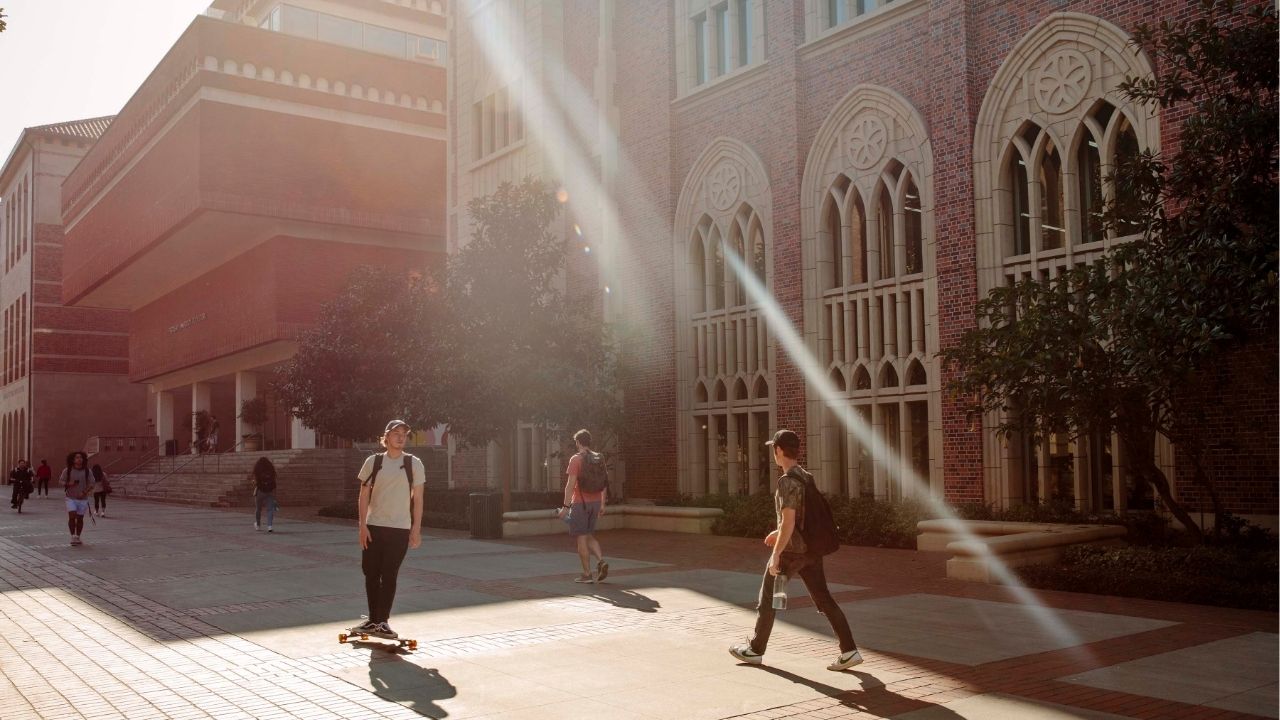
The University of Southern California said Tuesday that it would use a venture capitalist’s $200 million donation to apply artificial intelligence across academic disciplines.
The contribution comes as universities across the country are weighing how to incorporate AI into their curriculums and research programs and considering how the fast-changing technology could upend demand for higher education itself.
USC said it expected some of the money would go toward building computing power. Most, though, was earmarked to attract new faculty members who would infuse AI into areas like healthcare, cybersecurity and, crucially in Los Angeles, the arts.

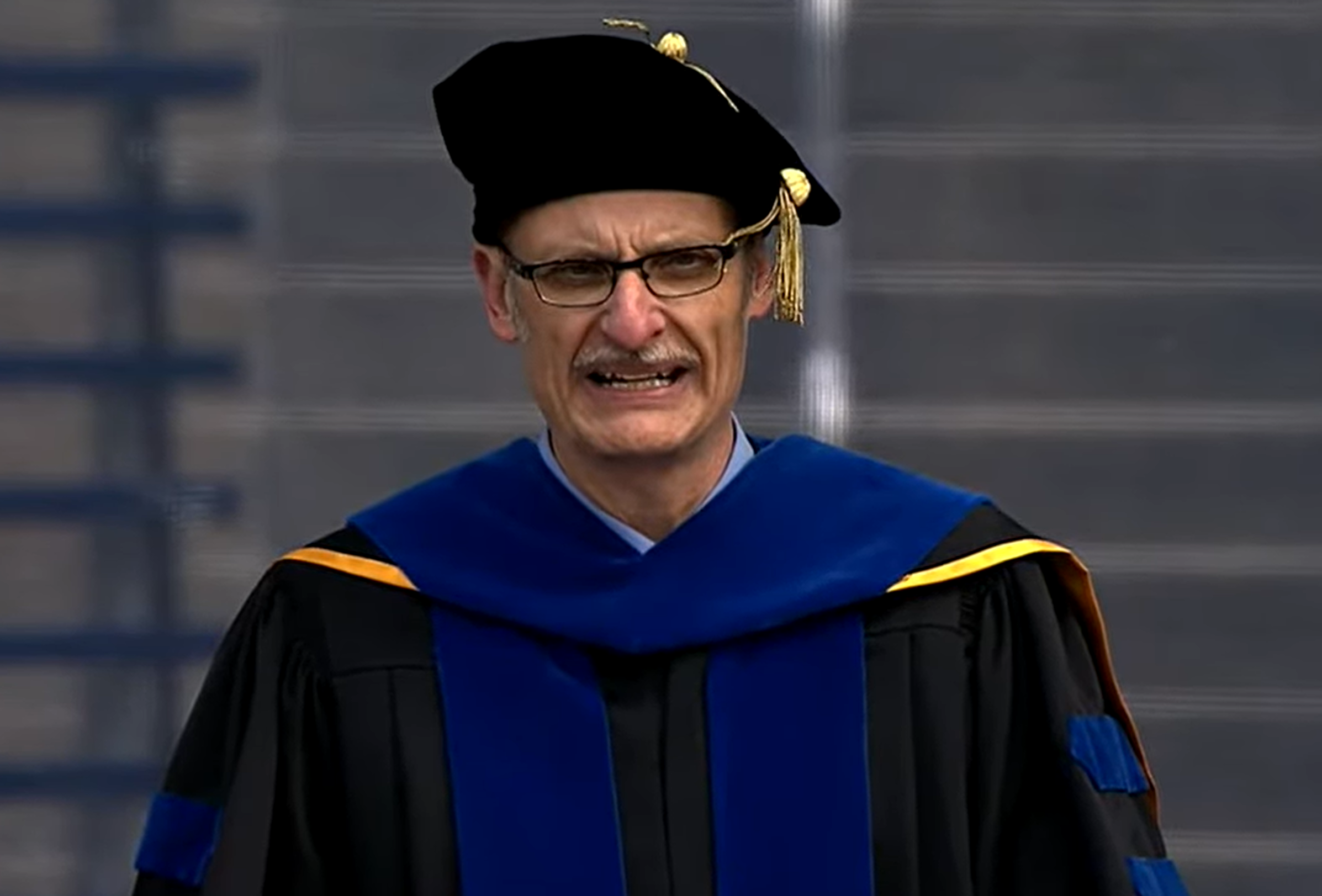
“The focus is really thinking university-wide about how these world-class AI researchers can extend knowledge and excellence in these other fields,” Beong-Soo Kim, USC’s president, said in an interview.
Like many universities considering their role as AI rises, USC’s plan reflects an emphasis on practical uses of the emerging technology rather than under-the-hood development. Kim signaled that the university understood that it would be difficult for any school to rival the private sector’s computing resources. Universities should devote attention to “areas where they can add distinctive value,” he said.
He added that USC would “think about how AI can really be used in a way that accelerates our research and our teaching in areas outside of traditional engineering.”
It was not clear how many people USC will be able to hire with the money. The jockeying for top AI thinkers could be costly, Kim said.
But he said the university would begin its recruitment efforts immediately and that he thought it would take about a year to build its roster.
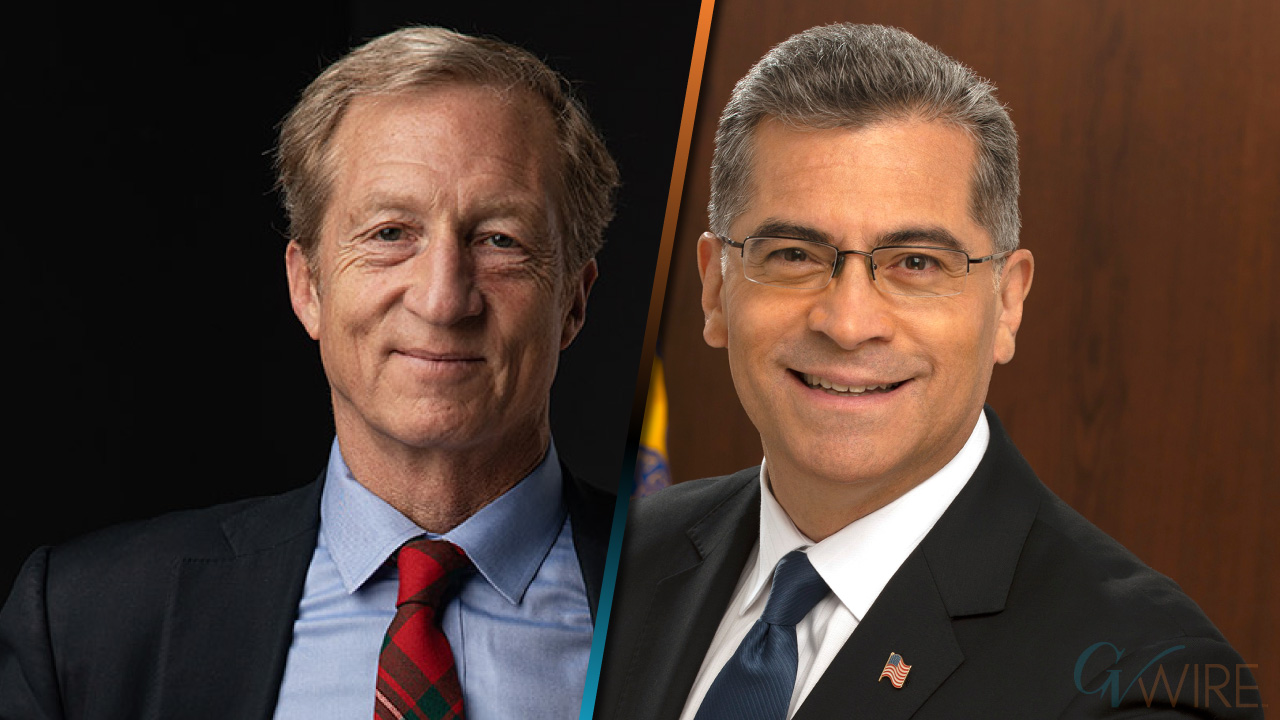
The donation for the hiring spree came from Mark and Mary Stevens. Mark Stevens, a USC alumnus, has a long record of technology investments and is among the largest individual shareholders of chip giant Nvidia, where he has spent decades on the board.
In an interview, Stevens noted that his family’s contribution was not aimed toward new buildings but was intended to integrate AI across USC and that he regarded research universities as “the golden jewels of America.”
“AI is revolutionizing our world, and I think our top research universities need to be involved,” he said.
Although financial contributions to universities can sometimes take many years to yield results, Stevens said that the rapid evolution of AI in society had him hoping that tangible outcomes would emerge within three years.
The university said that it would name its computing school for Stevens and also turn it into a school of AI. The university has been planning to roll out a bachelor’s degree in AI later this year, joining a recent trend among American colleges.
The donation to USC is among the major gifts to universities that contributors have tied to AI. Last month, for instance, the University of Texas at Austin said that Michael and Susan Dell were giving $750 million as a part of an effort for an “AI-native” hospital.
And the University of Wisconsin has said it received $100 million in philanthropic pledges to support a new College of Computing and Artificial Intelligence. Wisconsin is expecting to hire 50 faculty members for the new college.
—
This article originally appeared in The New York Times.
By Alan Blinder/Kendrick Brinson
c. 2026 The New York Times Company
The post USC Will Infuse AI Across University With $200 Million Donation appeared first on GV Wire.