US says it carried out self-defense strikes after Iranian attack
 QWER
QWER

The U.S. military carried out what it described as self-defense strikes on Iran while U.S. Navy destroyers transited the Strait of Hormuz, according to U.S. Central Command.
CENTCOM said Iranian forces launched missiles, drones and small boats targeting the U.S. ships as they moved into the Gulf of Oman.
The military said U.S. forces responded by targeting Iranian military facilities tied to the attacks, including missile and drone launch sites, command-and-control locations and intelligence and surveillance infrastructure. CENTCOM added that it does not seek escalation but remains prepared to defend American forces in the region.
Iran, meanwhile, accused the United States of violating the ceasefire.
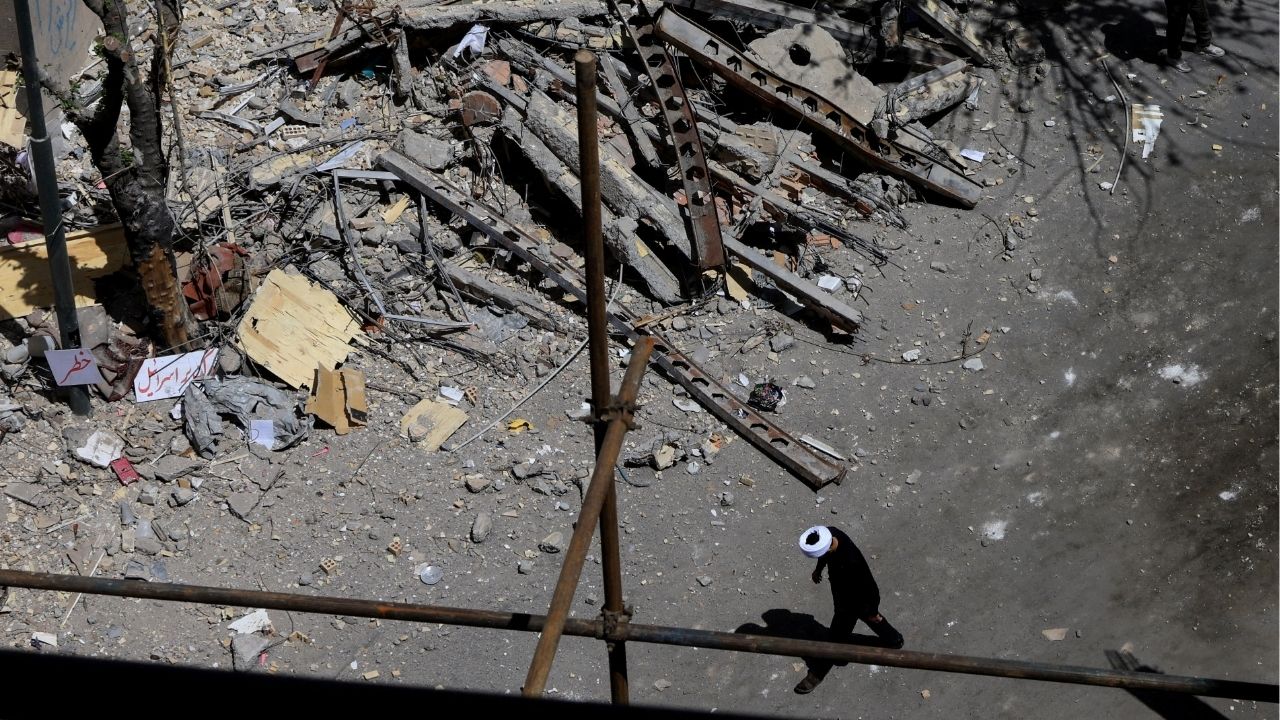
A statement attributed to Irans Islamic Revolutionary Guard Corps Navy Command claimed U.S. forces targeted an Iranian tanker and another vessel. The statement also accused the U.S. and regional allies of carrying out strikes near Qeshm Island and other coastal areas.
Qeshm Island sits in the Persian Gulf and is home to roughly 150,000 people, as well as a major water desalination plant.
The exchange came as there appeared to be movement toward a potential peace agreement between the United States and Iran.
Irans foreign ministry indicated that negotiations were ongoing through Pakistani mediators and said it was reviewing messages it had received.
The ministry said no conclusions had been reached and that it had not yet responded to the United States.
The Wall Street Journal reported that a working draft under discussion would ease restrictions around the Strait of Hormuz on both sides. However, key sticking points including enriched uranium, a suspension of enrichment activities and sanctions relief have not been finalized.
Irans mission to the United Nations on Thursday called for a permanent end to the war, an end to the U.S. blockade of Iranian ports and an opening of the Strait of Hormuz.
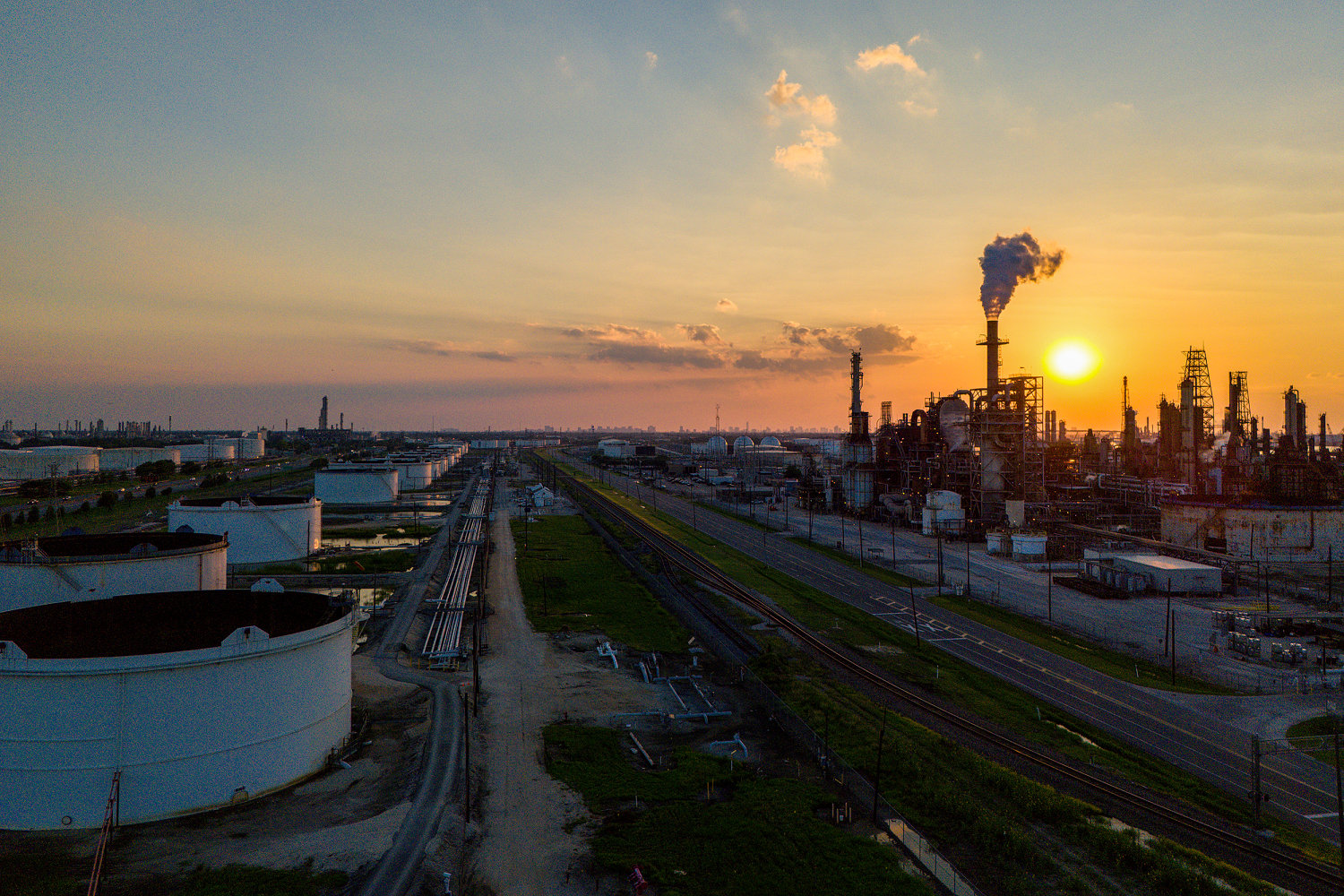
The strait, which carried roughly 20% of the worlds fuel supply before the war began Feb. 28, has played a major role in rising gas prices globally and in the United States.
According to AAA, the national average price for a gallon of gas rose to $4.55 on Thursday, up more than 40 cents from a week ago and about $1.40 higher than a year ago.