US remains optimistic of peace deal with Iran despite rising tensions in Strait of Hormuz
 QWER
QWER

There is still optimism for a peace deal between the United States and Iran as talks continue, according to a senior Trump administration official.
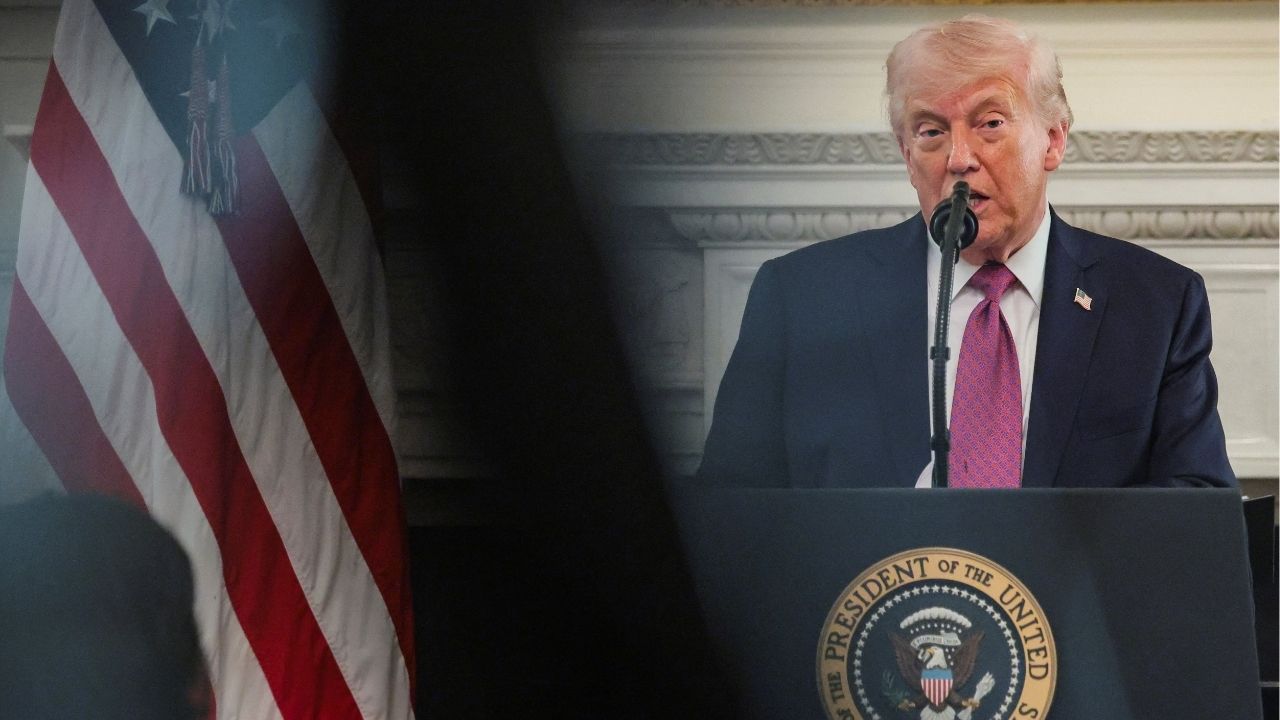
President Donald Trump said Tuesday he is extending a two-week ceasefire, citing what he described as a fractured Iranian government and saying the U.S. would wait for a unified proposal to end the war. There is no specific timeline for the extension, but the official said it is not indefinite.
The White House has laid out a number of demands for Iran before agreeing to end the war, including that the country abandon its nuclear ambitions and reopen the Strait of Hormuz.
IN CASE YOU MISSED IT | Iran vows retaliation after U.S. seizes ship
Iran, meanwhile, has pushed back on the idea of a complete ceasefire as the United States continues a naval blockade of Iranian ports. The U.S. military says it has directed 29 vessels to turn around or return to port since the blockade took effect.
"We are completely strangling their economy through this blockade," said White House press secretary Karoline Leavitt. "They're losing $500 million a day. The Kharg Island is completely full. They can't move oil in and out. They can't even pay their own people as a result of this economic leverage that President Trump has inflicted over them."
Iran has said it will not reopen the strait while there's a blockade in place.
They did not achieve their goals through military aggression, nor will they through bullying, Irans parliamentary speaker, Mohammad Bagher Ghalibaf, said. The only way forward is to recognize the rights of the Iranian nation.
According to Iranian state media, the paramilitary Revolutionary Guard fired on three ships in the Strait of Hormuz on Wednesday, seizing two of them.