Roy Cooper Says He’ll Block Grocery Mergers To 'Make Stuff Cost Less,' But He Cozied Up to Kroger as NC Governor: Senate Hopeful Didn't Fight Its Plans for Massive Merger
 QWER
QWER
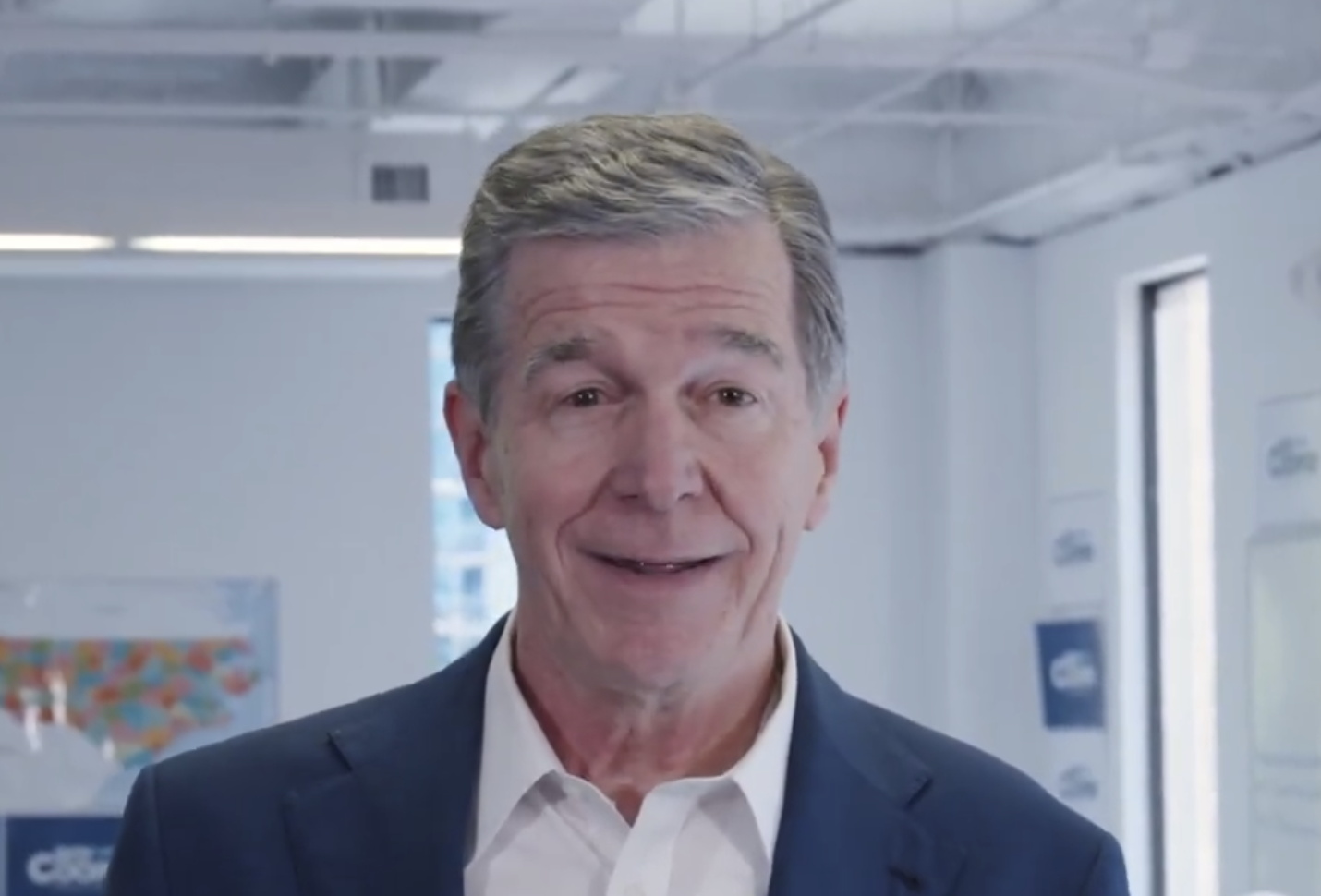
Fresh off securing the Democratic nomination for North Carolina's open Senate seat, former Gov. Roy Cooper kicked off his general election campaign with a core campaign pledge: "Make Stuff Cost Less." Voters are getting squeezed at the grocery store, Cooper said at an early March campaign event, and he vowed to bring down costs by blocking anti-competitive grocery store mergers responsible for driving costs up.
But when Cooper had the opportunity during his last year as governor in 2024 to join the fight to block the largest attempted grocery merger in U.S. history, he remained on the sidelines. Kroger, the nation's largest standalone grocer, sought to acquire Albertsons, the second-largest grocer, in a $24.6 billion blockbuster megadeal. The announced merger drew a joint legal challenge from nine states and the Federal Trade Commission, saying the deal would "lead to additional grocery price hikes for everyday goods" and deteriorate the working conditions for essential grocery store workers.
The FTC's complaint mirrored the sort of rhetoric Cooper now uses on the campaign trail. And it was successful: A federal court blocked the Kroger-Albertsons merger in December 2024 in a major victory for the FTC and the bipartisan coalition of states that joined the federal agency in the legal battle, which included California, Illinois, Maryland, Oregon, and deep-red Wyoming. But Cooper can't claim any credit for that victory as he criss-crosses North Carolina pledging to put a stop to these sorts of anticompetitive grocery mergers. North Carolina wasn't a party to the Kroger-Albertsons lawsuit in 2024, and he's never said a word publicly about it either.
Kroger has a big footprint in North Carolina due in part to its ownership of Harris Teeter, an upscale supermarket chain headquartered in the Charlotte area. It's the biggest standalone grocer in North Carolina (Walmart's grocery business makes it the state's—and the country’s—largest grocer by a long shot). Cooper's reticence to speak out against Kroger's proposed megamerger with Albertsons may be explained by his embrace of the grocery giant in 2021 when his administration approved up to $2.3 million in taxpayer incentives to help Kroger build a fulfillment center in Cabarrus County driven by artificial intelligence, advanced robotics, and automation.
"As e-commerce continues to grow, I'm pleased Kroger will locate this highly advanced fulfillment center in our state," Cooper said in a press release touting the deal. "From our hard working and skilled people to our advanced transportation networks and overall business climate, North Carolina offers the right ingredients for a modern business to succeed."
The Cooper campaign did not dispute that Cooper remained silent on Kroger's proposed merger with Albertsons in 2024, but maintained that the former governor is committed to blocking future grocery mergers.
"Roy Cooper has been clear that he's committed to making stuff cost less for hardworking North Carolinians by taking actions like removing chaotic tariffs and blocking corporate mergers in grocery retail and food processing that reduce competition and increase prices for customers," a Cooper campaign spokesman told the Washington Free Beacon.
Cooper's decision to stay on the sidelines during the Kroger-Albertsons fight in 2024 could undermine his central campaign pledge as he's amidst his statewide "Make Stuff Cost Less" tour, where he's told his supporters that grocery prices will further escalate if he loses to his Republican challenger, Michael Whatley.
Cooper's proposed affordability measures are the only aspect of his campaign platform spelled out on his website. In addition to promising to block anti-competitive grocery store mergers, Cooper also says he will ban grocers from using artificial intelligence algorithms to raise prices for specific customers, a practice known as dynamic pricing that was first pioneered by Kroger in 2018.
But Cooper has never publicly commented on Kroger's use of the technology, even as it drew intense criticism from Sen. Elizabeth Warren (D., Mass.), who said in a 2024 letter to Kroger CEO Rodney McMullen that the practice could enable his company to "abuse their power and surge grocery prices."
Cooper is now using that sort of language on the campaign trail as he seeks a seat in the Senate. "These corporations try to hit consumers from every angle, and that includes using your personal data to charge different people different prices, squeeze every penny out of consumers," he said in March when he kicked off his general election campaign. "I will fight to pass legislation that bans these practices and puts money back in your pockets."
The post Roy Cooper Says He’ll Block Grocery Mergers To 'Make Stuff Cost Less,' But He Cozied Up to Kroger as NC Governor: Senate Hopeful Didn't Fight Its Plans for Massive Merger appeared first on .