No rate change amid uncertain economy as Powell prepares to exit Fed chair role
 QWER
QWER

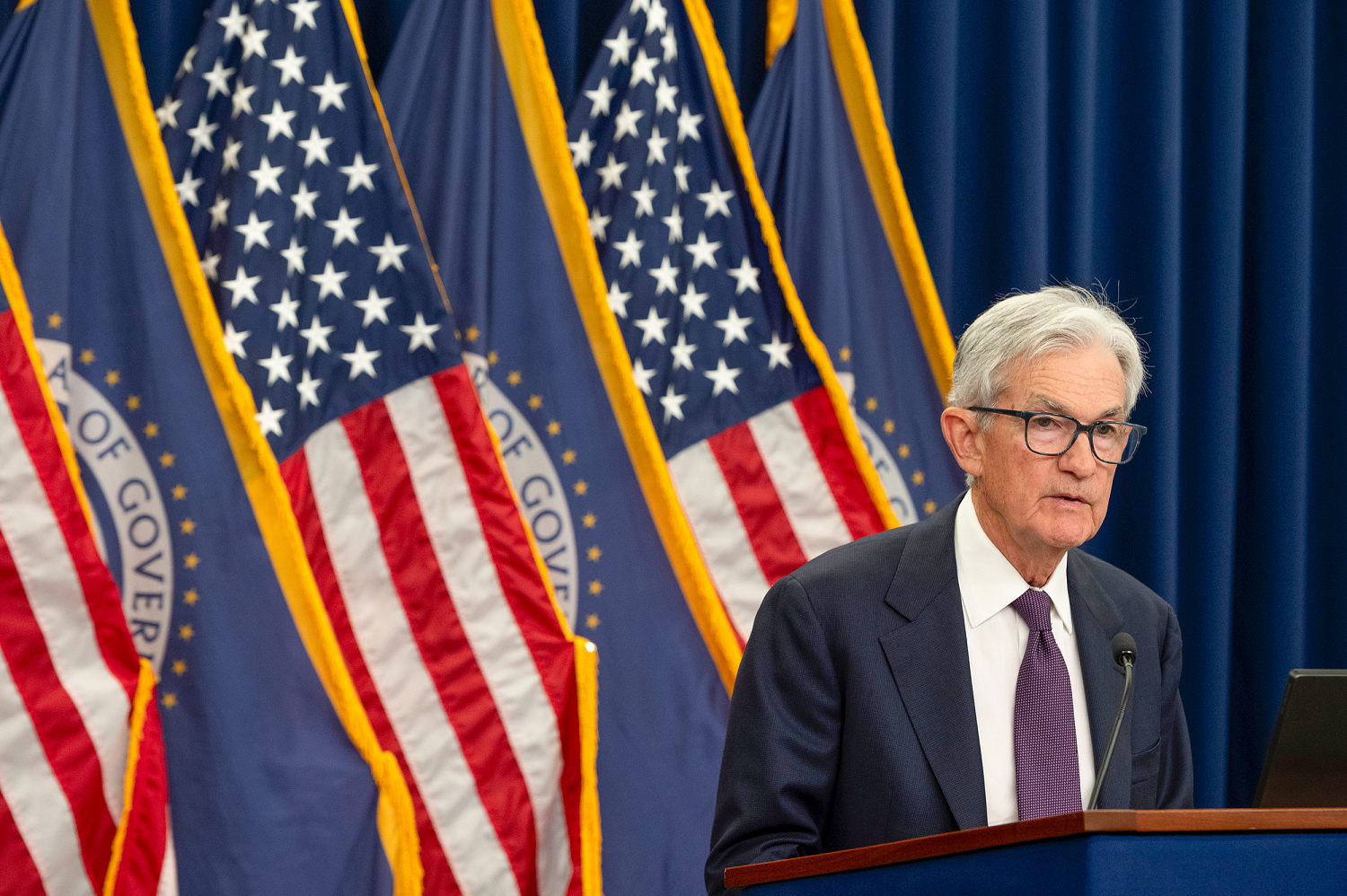
In his final meeting as Federal Reserve chair, Jerome Powell said the board voted to keep interest rates unchanged, citing an unstable job market and rising energy prices.
While Powell is a key voice on monetary policy, the Feds seven-member board collectively decides whether to change rates.
Powell is expected to be replaced next month, when his term ends, by Kevin Warsh, who is up for Senate confirmation.
RELATED STORY | DOJ investigation into Jerome Powell dropped ahead of Fed chair transition
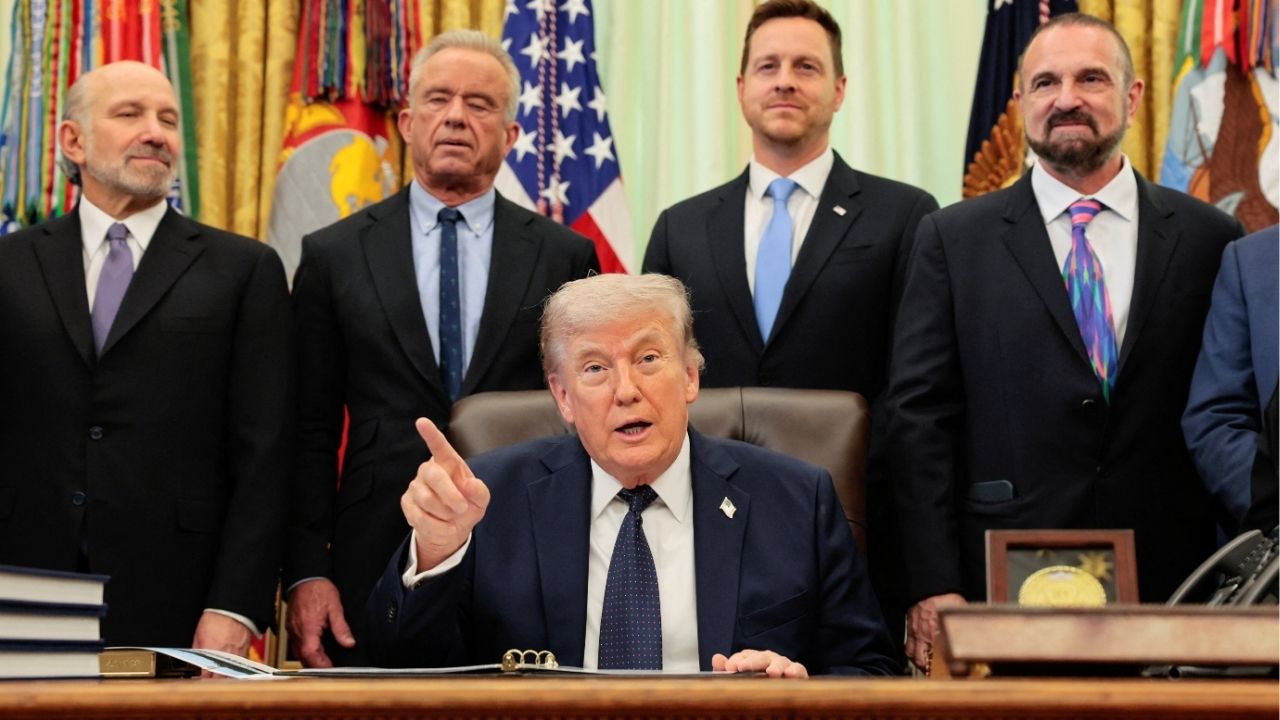
Powell has faced pressure from President Donald Trump to lower borrowing costs but has resisted those calls. Last week, the Department of Justice dropped an investigation into Powell over spending tied to the Feds new headquarters.
The Federal Reserve has a dual mandate: maximize employment and keep inflation low. The central bank typically raises rates when inflation is high and lowers them if the job market shows signs of weakening.
Powell is expected to serve as chair until May 2026 and could remain on the Feds board as a governor until 2028.
Lower interest rates can spur economic growth by making borrowing cheaper, but policymakers warn that keeping rates low for too long can fuel inflation.
RELATED STORY | Trump's pick for Federal Reserve chair, Kevin Warsh, faces Senate scrutiny ahead of full confirmation
After U.S. inflation topped 9% in 2022, the Fed raised rates to their highest level in decades. The consumer price index jumped in March after several years of holding near 2% to 3% per year.
Higher borrowing costs have made it harder for consumers and businesses to access credit, often slowing job growth. Powell has said the Feds goal is to balance low inflation with continued employment gains.
Warsh's nomination is currently being considered by the Senate. The Senate Banking Committee voted along party lines 13-11 to advance Warsh's nomination to the full Senate earlier Wednesday.