Liberal Massachusetts Is Hit With a School Segregation Lawsuit
 QWER
QWER
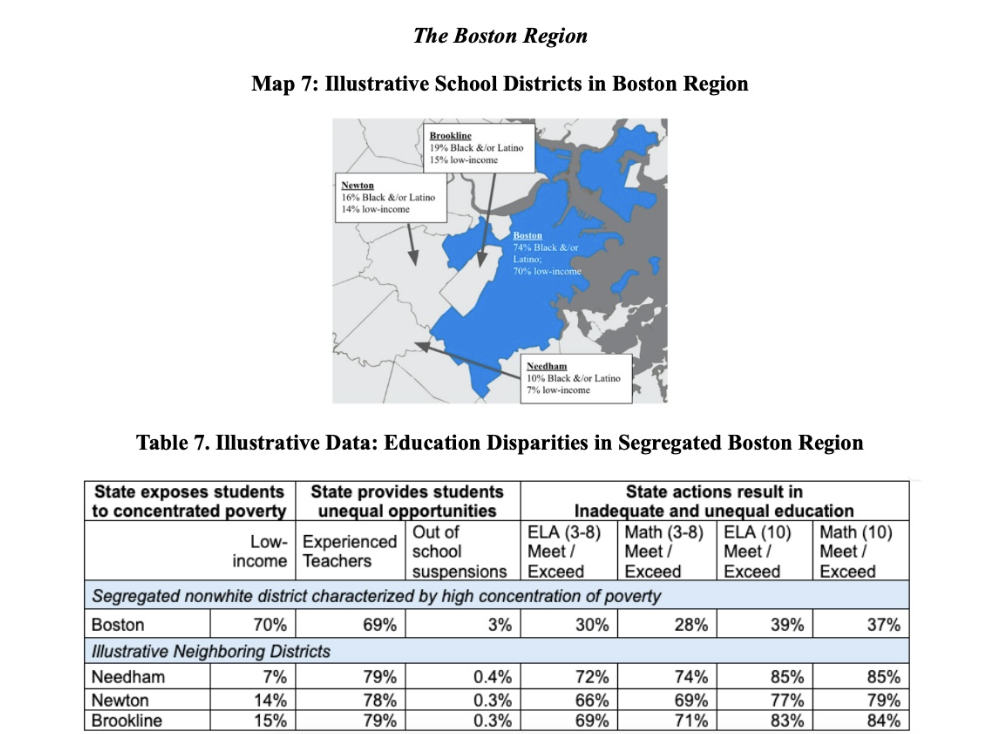
Nearly three-quarters of a century after the Supreme Court’s landmark integration decision in Brown v. Board of Education, the state of Massachusetts is relegating black and Hispanic schoolchildren to "racially segregated school districts characterized by concentrated poverty that deny Black and Latino students an adequate and equal education," a newly filed lawsuit contends.
Massachusetts schools have been high-profile battlegrounds for federal civil rights litigation for years, most notably in 1974, when a U.S. district court judge, W. Arthur Garrity, ordered busing of children within Boston. The new lawsuit is different in that its focus isn’t segregation inside a single school district. Instead, it argues that the town and city borders that function as school district boundaries in Massachusetts violate the state constitution’s education clause and the constitution’s guarantee of equality under the law.
"By maintaining discriminatory district lines and school assignment policies that prioritize municipal boundaries over equal access to educational opportunities, the Commonwealth has codified segregation into its educational system and structure," the lawsuit alleges. "Massachusetts’ district lines and school assignment policies foster and maintain segregation, with scant opportunities for students to attend schools beyond those boundaries. Even where Black and Latino schoolchildren live just a stone’s throw away from higher-performing, lower-poverty school districts, the Commonwealth’s district lines and school assignment policies deprive these students of the educational opportunities that the State concentrates in predominantly white school districts."
The governor of Massachusetts is a Democrat, Maura Healey. Both houses of the state legislature are lopsidedly dominated by Democrats, and the state’s entire delegation to the U.S. Congress is Democrats. They spend a lot of time and energy denouncing Republicans and President Trump as racists. As attorney general of Massachusetts in 2017, Healey went so far as to set up a hotline to collect bias complaints about crimes inspired by what she called "racist" statements from President Trump. So there’s something at least mildly ironic about Healey’s administration now facing a court complaint alleging her state’s schools are the site of "profound segregation—created and perpetuated by the Commonwealth’s discriminatory district lines and school assignment policies."
The lawsuit doesn’t name Healey but is directed at the state’s Department of Elementary and Secondary Education. It does name Healey’s handpicked secretary of education, Stephen Zrike Jr. The plaintiffs are students whose school choice is restricted by their municipal boundaries. "Plaintiff I.G. is a Black student, age 8, residing in Boston, Massachusetts. I.G. brings this action by and through his parent and next friend, Rosie Brenes. I.G. is enrolled in the Boston Public Schools district, where Black and Latino students make up approximately 74% of the student population, and 70% of the students are classified as low-income. The Boston Public Schools district abuts the districts of Needham, Newton, and Brookline, where Black and Latino students make up less than 20% of the student populations, and 15% or less of students are classified as low-income. The State’s district lines and school assignment policies concentrate substantially greater educational opportunities in these neighboring school districts, but Defendants restrict I.G.’s right to attend school to Boston, where he resides," the suit says. Brookline voted 84.9 percent for Kamala Harris in the 2024 presidential election; Newton, 78.9 percent for Harris, and Needham, 75.8 percent for Harris.
The suit gives multiple similar examples of other districts. Poor, largely black and Latino Lawrence, for example, borders wealthier, whiter Andover and North Andover, where students get better results on standardized tests.
Asked for a response to the suit, a spokeswoman for state Department of Elementary and Secondary Education, Jacqueline Reis, sent the Washington Free Beacon a statement: "The Department of Elementary and Secondary Education believes that all students, no matter their income level, race/ethnicity, language, or disability, deserve schools where they are known, valued, and have the support they need to succeed. Massachusetts leads the nation in student achievement, and we are committed to building on this progress to strengthen our education system for every student in our state." Changing school district boundaries or forcing districts to accept students from other districts would typically require an act of the legislature or agreement by the school districts, rather than action by the governor alone or by the state’s Board of Elementary and Secondary Education.
An expert on law and schools, Joshua Dunn, who is executive director of the Institute of American Civics at the Baker School of Public Policy and Public Affairs at the University of Tennessee, Knoxville, told the Free Beacon that the remedies sought in the complaint "likely wouldn’t have much of an effect on levels of segregation. As well, they would draw the Massachusetts Supreme Court into some fairly technical areas of school governance that judges don’t have the institutional capacity to manage."
The lawyers who brought the case include a Boston-based partner at WilmerHale, Lisa Pirozzolo; a Boston-based nonprofit law firm, Lawyers for Civil Rights, on whose board Pirozzolo sits; and Brown’s Promise, an initiative of the Southern Education Foundation, which is promoting the campaign with a website at the address endmasssegregation.org.
The best-case outcome here would be that the pressure of the lawsuit gives Healey political cover to follow the lead of neighboring Democratic governor Kathy Hochul of New York and opt Massachusetts into participating into the tax-credit scholarship program created by the One Big Beautiful Bill. The Massachusetts Educational Opportunities Coalition has been pushing the governor to take advantage of it, but the state’s powerful teachers unions oppose it. But it could be that the Massachusetts politicians and the unions so ardently oppose religious or private education that they’d rather use the lawsuit to expand public-school "choice" that lets students travel across school-district lines so long as the schools are government-run, unionized, and ostensibly free of any religion other than Massachusetts secular liberalism.
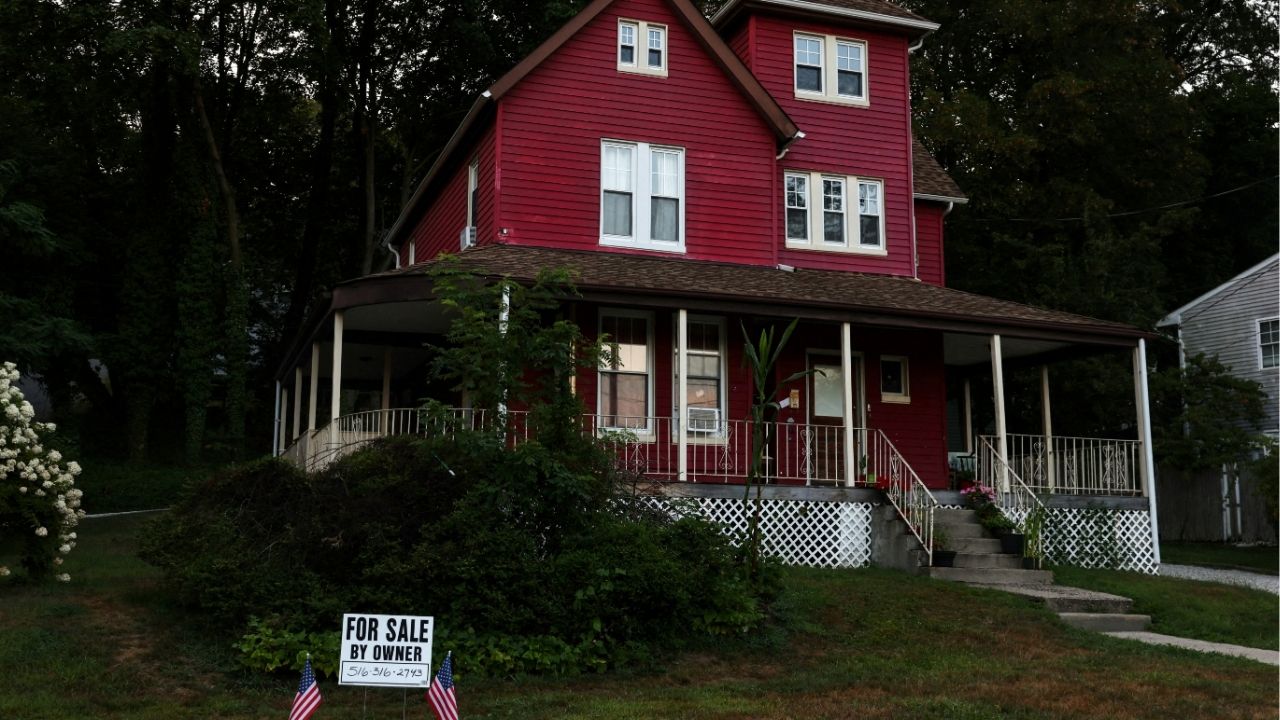
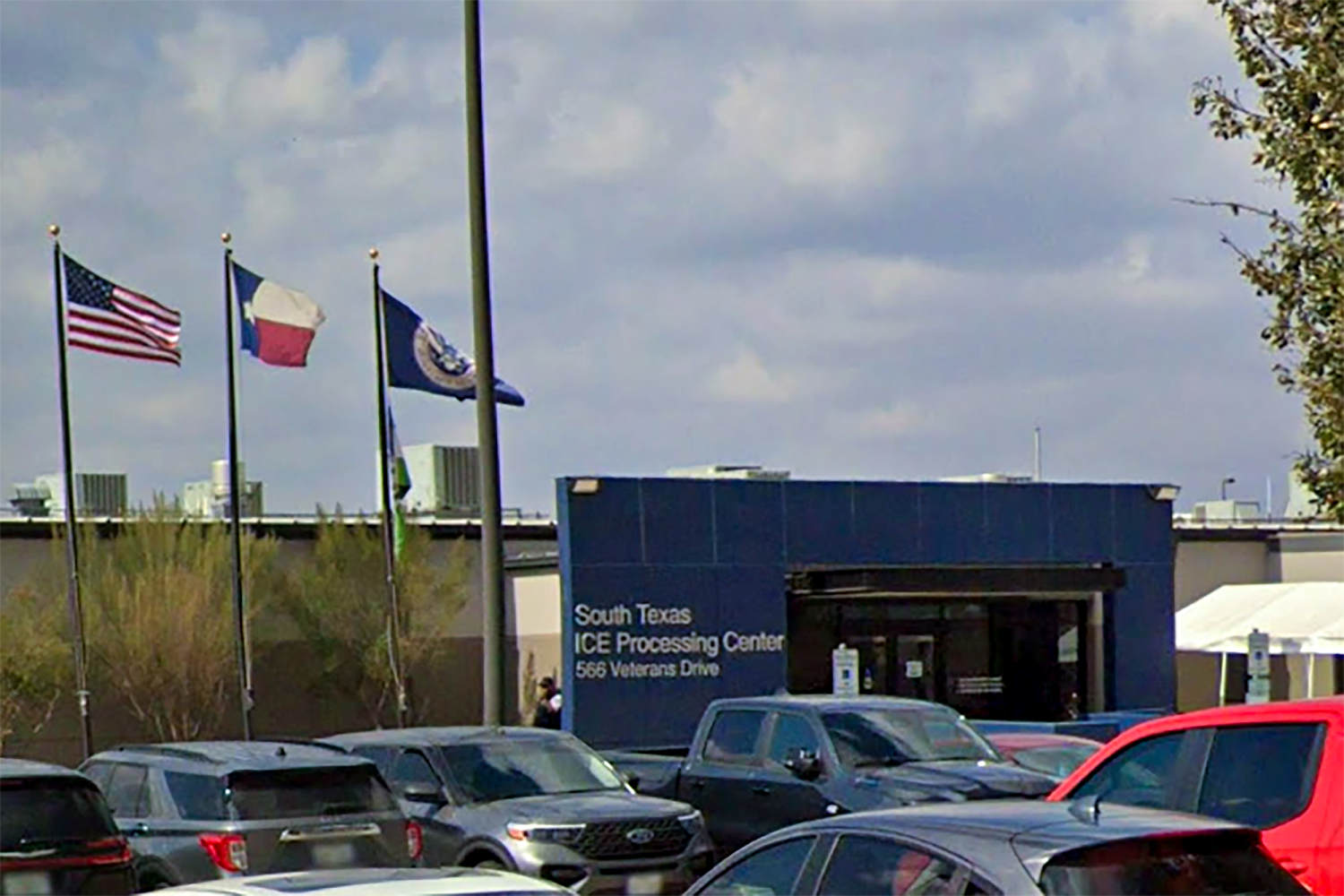
There are plenty of reasons to be skeptical of this legal effort—the risk of judicial activism, the limited efficacy of endless litigation aimed at endlessly increasing school funding in unsuccessful attempts to ameliorate the havoc wrought by other government spending programs, the chance that it could backfire by accelerating white flight to New Hampshire, the hubris of public-interest lawyers ambitious enough to think they can outlaw the existence of suburbs. Even so, it’s hard not to smile at least a little about a lawsuit that potentially asks the northeastern suburbanites, Elizabeth Warren voters, to go beyond the "no kings" and "ICE out" and "in this house we believe…" yard signs and consider the possibility that their own prized public schools and town boundaries are a kind of racial discrimination.
The post Liberal Massachusetts Is Hit With a School Segregation Lawsuit appeared first on .