J. Craig Venter, Scientist Who Decoded the Human Genome, Dies at 79
 QWER
QWER
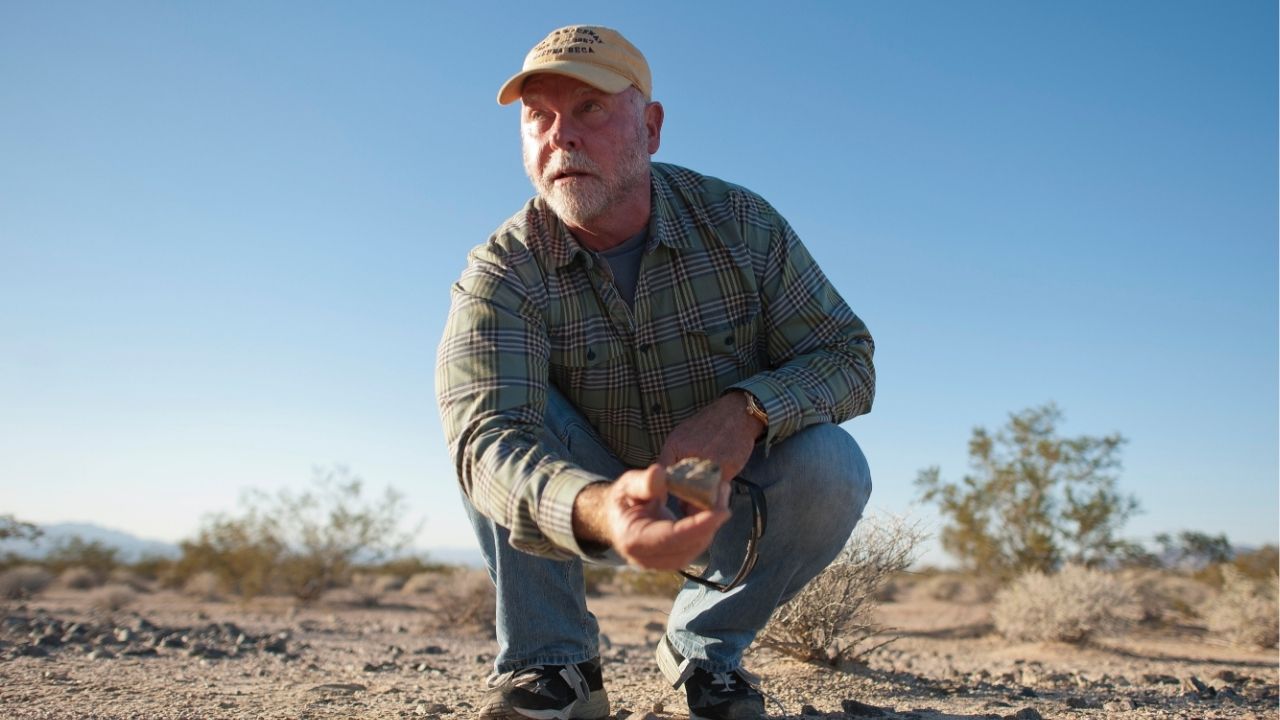
J. Craig Venter, a scientist and entrepreneur who raced to decode the human genome, died Wednesday in San Diego. He was 79.
His death was announced by the J. Craig Venter Institute, a nonprofit research organization founded by Venter and based in San Diego and Rockville, Maryland. The institute said in a statement that Venter had been hospitalized recently for side effects from cancer treatment.
In the 1990s, Venter, a risk-taker and intense competitor, made a bold move when he decided that the Human Genome Project, a $3 billion government program for decoding the human genome, was moving slowly enough that he could enter the race late and beat it with a much faster method.

His gamble paid off. In 2000, his company, Celera, made a joint announcement with a rival group saying that they had assembled the first human genomes, a landmark step toward uncovering the genetic basis of human disease and origins.
Venter had a powerful ego. That was clear when he let slip that the anonymous donor whose genome Celera had sequenced was none other than his own.
But his drive and management skills helped him inspire loyalty and assemble teams of exceptional scientists, including Nobel Prize-winning microbiologist Hamilton O. Smith. Together, they achieved one landmark after another in the nascent field of genomics.
In 1995, Venter revolutionized microbiology when he published the sequence of DNA letters in the bacterium Haemophilus influenzae, the first bacterial genome to be decoded, along with annotations of all the organism’s genes.
The moment electrified science. For the first time, researchers could see all the genetic components of a free-living organism, giving microbiologists a manual for bacterium’s genetic tool kit. It also set off a race to sequence the genomes of known pathogens, with the aim of identifying their genetic arsenals and devising countermeasures.
His team next turned to the fruit fly genome to test whether their approach, known as a whole-genome shotgun sequencing, could work on its biggest target: the human genome. The fruit fly genome was successfully decoded in 2000, providing a wealth of information that would help scientists study both the fly and human genomes.
Decoding the human genome, Venter’s next big challenge, became the focus of a competition between his team at Celera and a consortium of academic rivals led by the United States and Britain. The National Institutes of Health, a major patron of the effort, refused to cooperate with Venter, who instead secured private funding from the Celera Corp.
Venter’s whole genome shotgun method enabled him to erase his rivals’ head start. With ample time and money, he might have seized this greatest of scientific prizes. Instead, he agreed, reluctantly, to accept the consortium’s offer of a formal draw, with the trappings of a White House ceremony with President Bill Clinton.
For his contributions to sequencing the human genome, Venter received the Nierenberg Prize for Science in the Public Interest from the Scripps Institution of Oceanography in 2007. President Barack Obama presented him with the National Medal of Science in 2009.
—
This article originally appeared in The New York Times.
By Nicholas Wade/Michal Czerwonka
c. 2026 The New York Times Company
The post J. Craig Venter, Scientist Who Decoded the Human Genome, Dies at 79 appeared first on GV Wire.