Iran Sends Mixed Signals on Talks After US Seizes Ship
 QWER
QWER
Iran on Monday sharpened its threats to retaliate for the United States’ seizure of an Iranian cargo ship near the Strait of Hormuz, adding to pressure on the fragile ceasefire set to expire this week.
Iranian officials have sent mixed messages about potential peace talks with the United States. President Donald Trump said U.S. negotiators were heading to Pakistan for the meeting, and a White House official said Vice President JD Vance was expected to lead the delegation. It was unclear whether Iran would send representatives.
Iran’s Foreign Ministry spokesperson said Monday that there were “no plans” at the moment for further talks. But Masoud Pezeshkian, the Iranian president, said that while Iran must stand firm “against injustice and excessive demands,” continuing the war “benefits no one.”

The conflicting signals echoed those Iran sent before the first round of talks, last weekend, which ended without an agreement to end the war. Iran had cast doubt on the negotiations even taking place, but its delegation arrived just hours later.
The two-week truce, which went into effect April 8, was being tested in the Strait of Hormuz, a vital waterway for oil and gas that Iran has blocked, prompting the United States to blockade Iranian ports. A U.S. Navy destroyer fired on an Iranian cargo ship Sunday after it defied that blockade, Trump said. Iran’s armed forces called it “piracy,” warning that they would soon retaliate, according to Tasnim, a semiofficial Iranian news agency.
Here’s What Else We Are Covering:
— Pakistan: Pakistan was preparing to host new U.S.-Iran peace talks, despite the uncertainty about Iran’s attendance. Officials said they would deploy 10,000 extra security personnel in Islamabad, the capital.
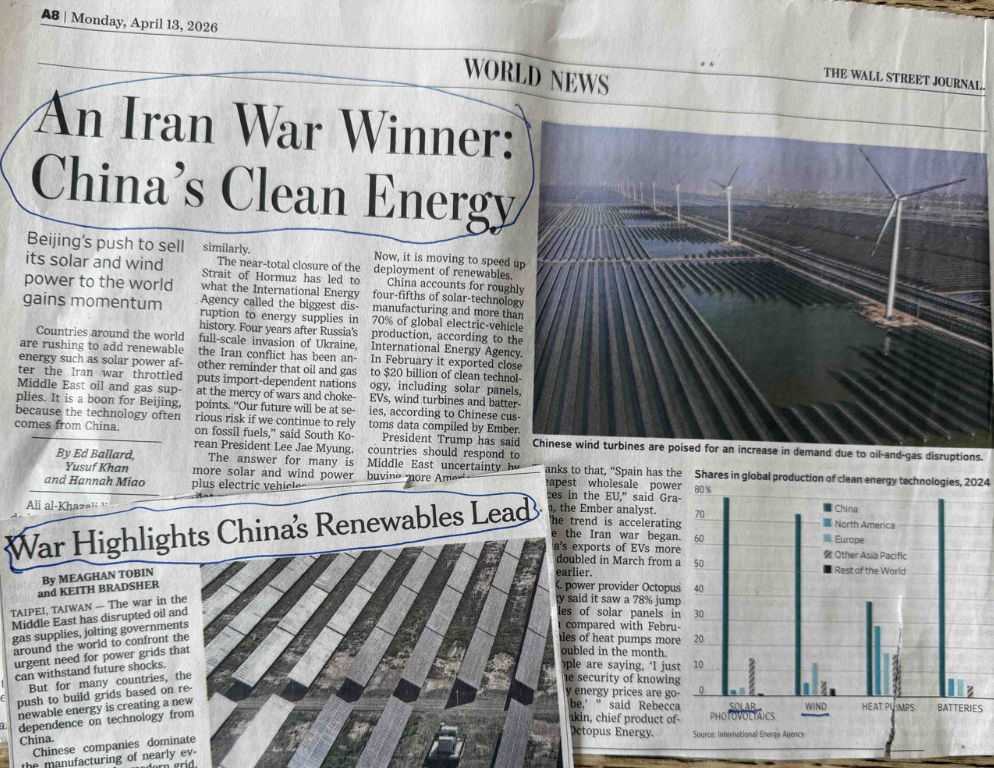
— Energy prices: The U.S. energy secretary, Chris Wright, acknowledged Sunday that gasoline prices in the United States could remain elevated for months, undermining an earlier claim by Trump. The price of Brent crude, the global benchmark for oil, climbed more than 6% on Monday, to around $96 a barrel after the attack. Oil prices are up by about 33% since the war began on Feb. 28.
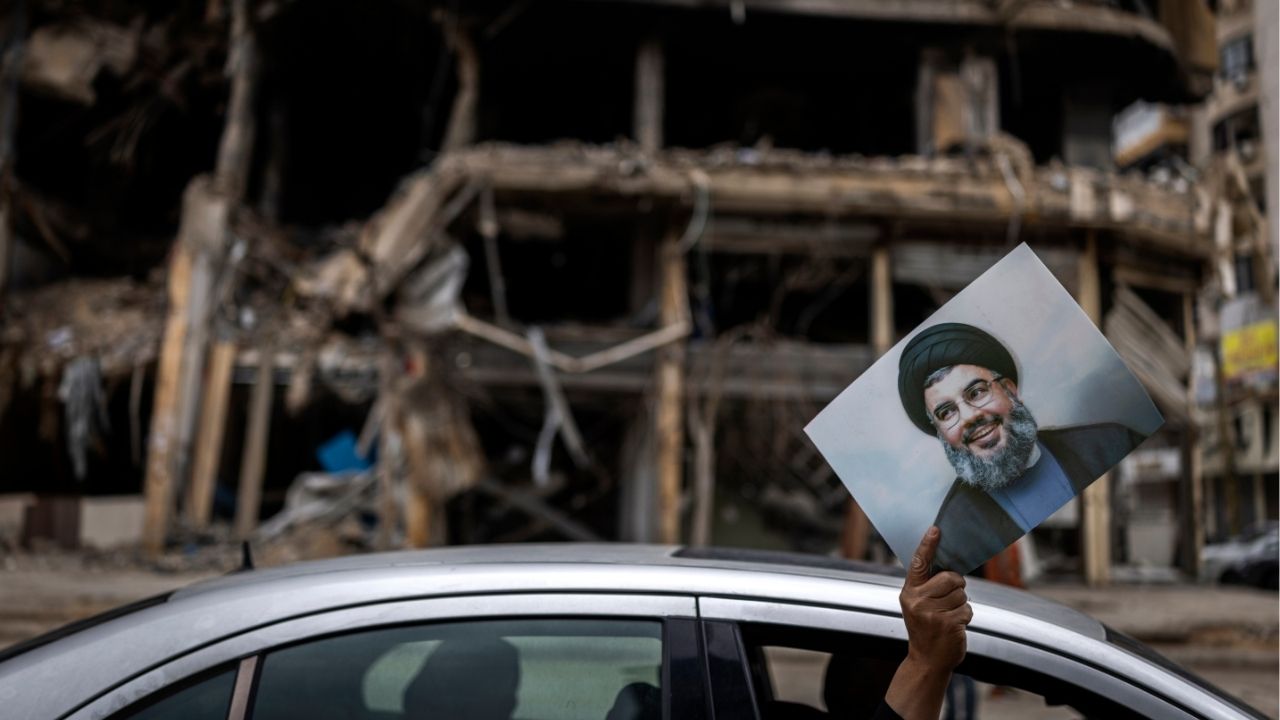
— Lebanon: Joseph Aoun, the Lebanese president, said he had appointed Simon Karam, a former ambassador to the United States, to lead talks aimed at ending war with Israel and achieving a complete Israeli withdrawal from southern Lebanon. Israel wants the disarmament of Hezbollah, the Iran-backed armed group.
—
This article originally appeared in The New York Times.
By Tyler Pager, Sanam Mahoozi, Vivian Nereim and Aaron Boxerman/Diego Ibarra Sánchez
c. 2026 The New York Times Company
The post Iran Sends Mixed Signals on Talks After US Seizes Ship appeared first on GV Wire.