Inside Clovis Unified’s Mario Kart Tournament, Where Students Found More Than Just a Game
 QWER
QWER
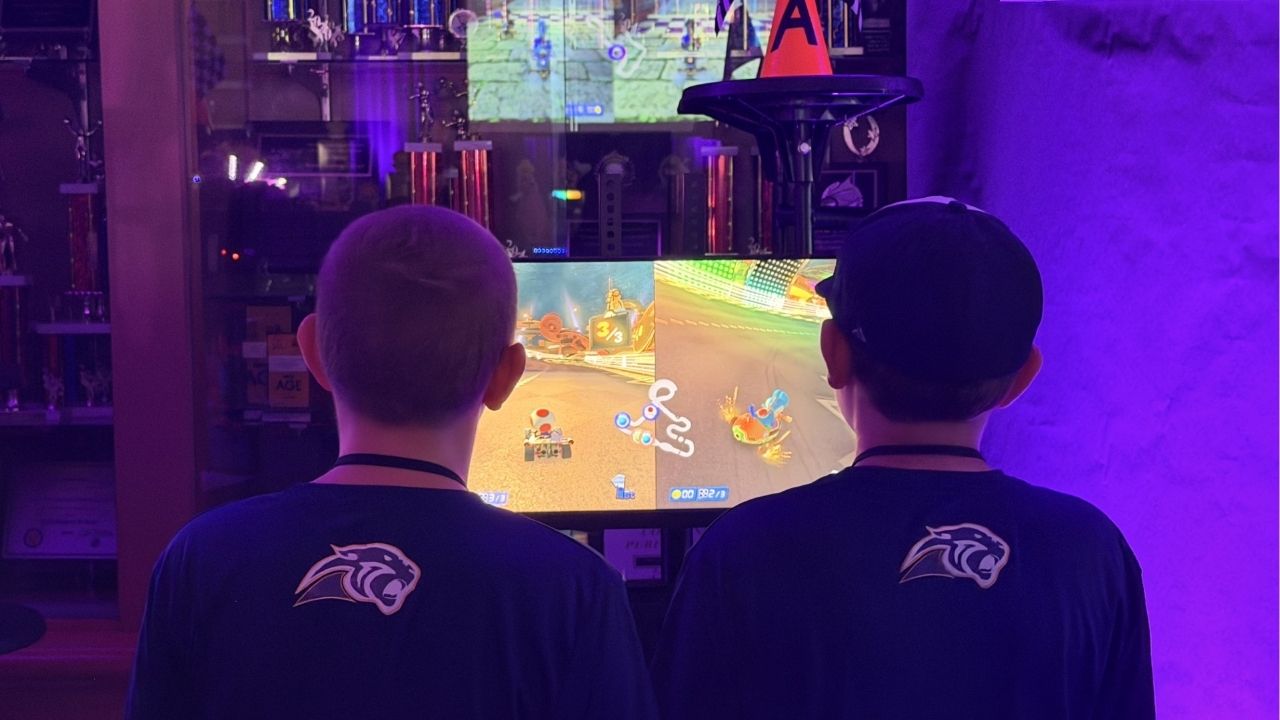
There is something deeply funny, and honestly kind of beautiful, about watching a room full of parents physically lean their bodies into turns during a Mario Kart race as if sheer willpower might help their kid avoid a banana peel.
And yet, that was probably the most normal thing happening Saturday morning inside a Clovis Unified elementary school esports tournament.
The district’s Mario Kart championship looked, sounded, and felt like any traditional youth sporting event in America.


Anthony W. Haddad
The Millennial View
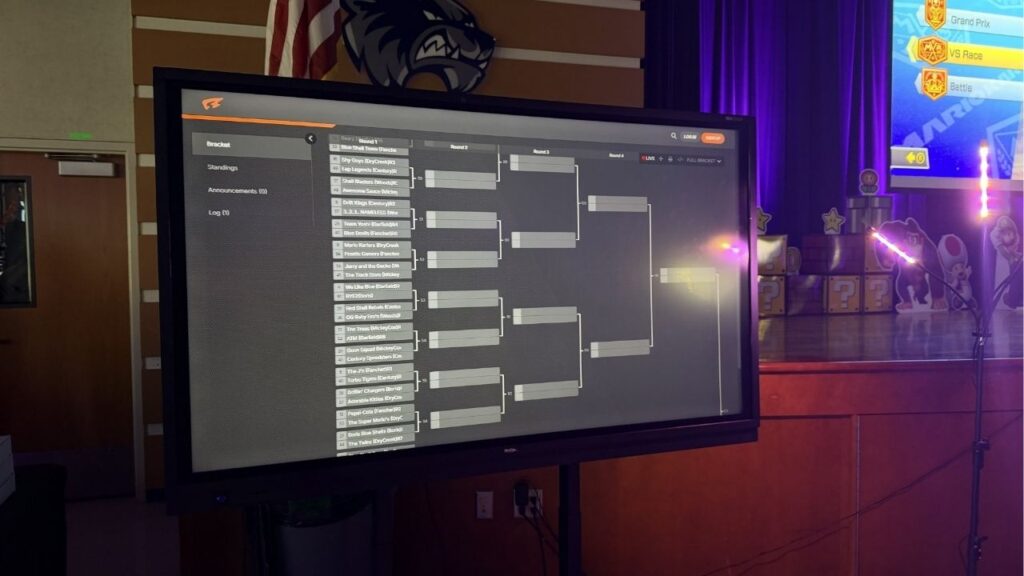
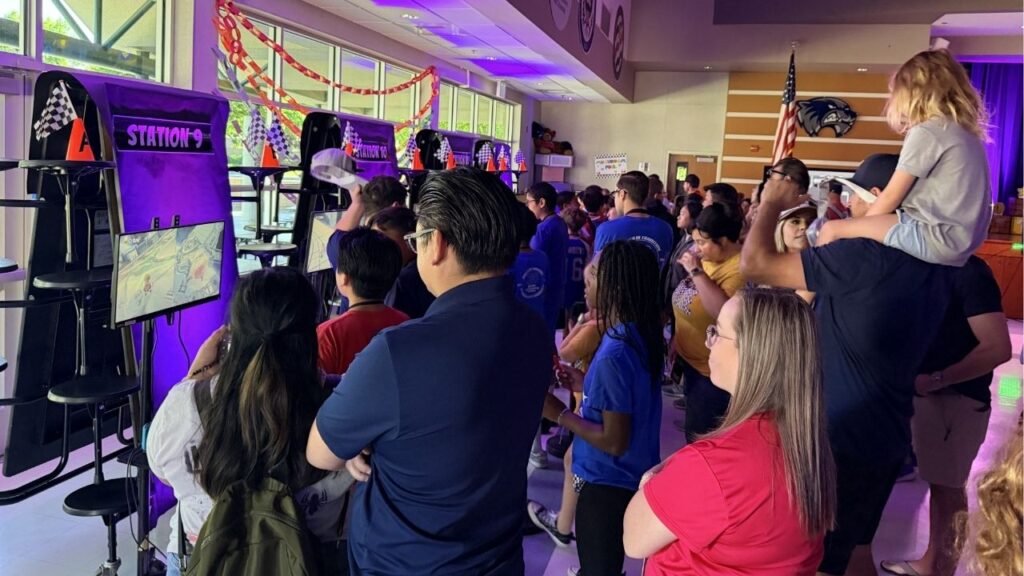
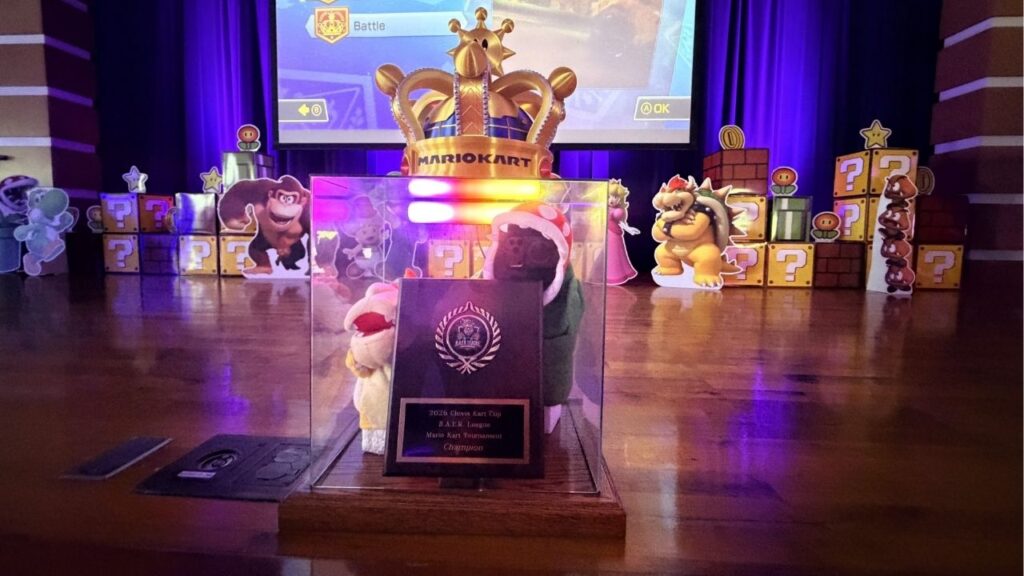
There were lights. Scoreboards. Team entrances in an inflatable tunnel. Nervous parents. Kids high-fiving teammates. Competitors shaking hands before matches. Students screaming in celebration after races.
The only real difference was that instead of cleats and helmets, there were Nintendo Switch controllers and giant screens glowing neon blue.
If you walked in expecting children isolated behind screens, you would have left realizing you misunderstood the entire thing.
What Clovis Unified has built through esports is not really about gaming. It is about belonging.
That distinction matters.
Celebrating the Other Athletes
Because for decades, schools have traditionally celebrated one kind of student publicly: the athlete. The quarterback. The point guard. The pitcher. Entire campuses rally around those kids. Their performances are announced over loudspeakers. Their photos go on walls. Their victories become community victories.
But there is another kind of student sitting in classrooms across America: quieter kids, awkward kids, deeply online kids, kids who may never feel comfortable stepping onto a football field but who still desperately want to be part of something bigger than themselves.
That is the space esports is filling.
Joe Marquez, who helps organize Clovis Unified’s esports programs, told me roughly 80% of the students participating do not engage in traditional extracurricular activities. They go to school and go home. This gives them a reason to stay connected.
“One thing is, I feel that every single student should feel valued and important on their campus,” Marquez told me.
“About 80% of our students that are in e-sports don’t participate in anything else the school does. They come to school, they go home. We want them to come to be celebrated for being an amazing competitor.”
And celebrated they were.
The ‘Shock and Awe’
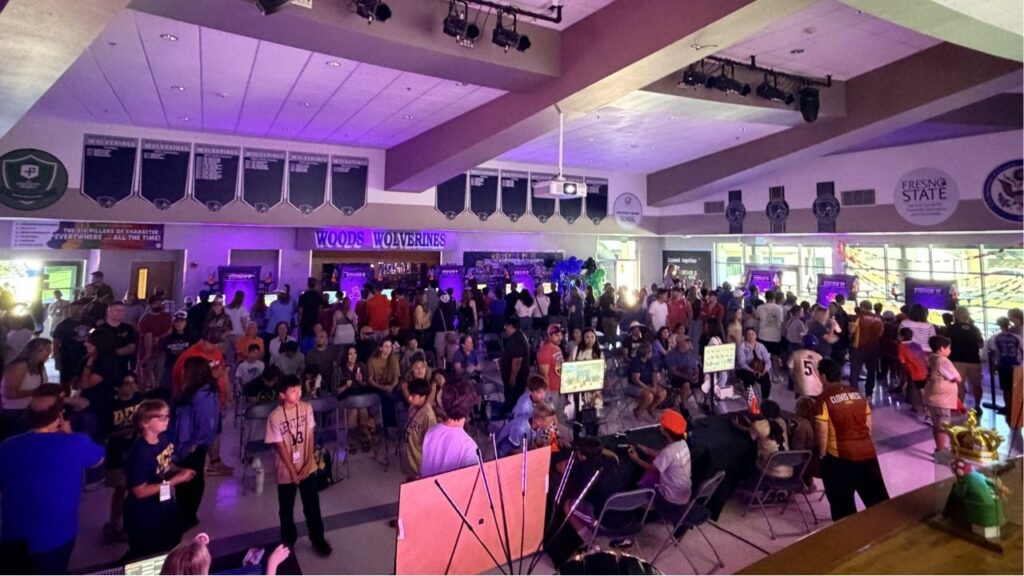
The event opened with a parade of teams entering the arena while schools and mascots were announced. The room was intentionally designed to create what organizers called “shock and awe.”
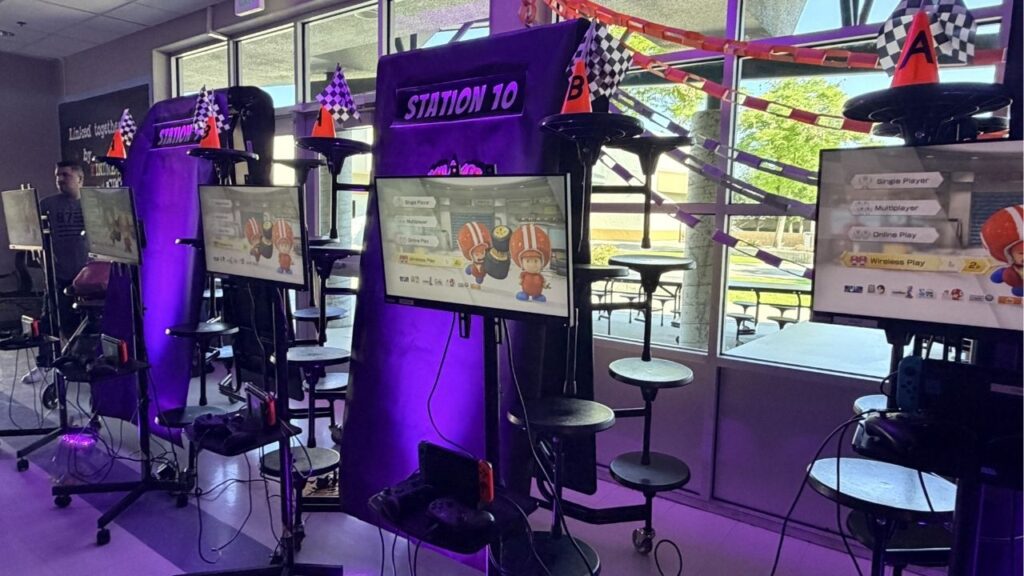
There were competition stations spread across the floor, digital scoring systems, giant displays, and enough energy buzzing through the building that it genuinely resembled a CIF playoff atmosphere more than a school gaming club.
But the emotional center of the event was not production values. It was the kids.
Marquez recalled a grandfather approaching him after a previous tournament and saying he had never really seen his grandchild speak much before esports.
“This was his element,” Marquez said. “He had his own voice. He was the leader of the team.”
Those words lingered with me long after the tournament ended because they captured something education systems often struggle to do: recognize intelligence and talent outside of traditional molds.
Clovis Is Shifting the Mindset
Schools are very good at rewarding students who excel in systems adults already understand. Sports. Public speaking. Leadership clubs. But what happens to students whose confidence exists somewhere else entirely?
Sometimes it’s behind a controller.
And what struck me Saturday was how naturally esports erased barriers that traditional athletics often cannot.
There were boys and girls competing together. Students with disabilities competing alongside everyone else. I watched interpreters assisting families. Marquez explained that accessibility is built directly into the program’s philosophy.
“We want to make sure that students know that if they want to participate, they can participate, and we’ll move heaven and earth to make it happen,” he said.
That inclusiveness changes the dynamic entirely.
Making New Traditions
Traditional youth sports, for all their benefits, inevitably exclude some children through physical limitations, economics, or social confidence.
Esports removes many of those barriers while still preserving the things parents actually hope sports teach: teamwork, communication, discipline, accountability, and resilience.
And despite the stereotypes adults sometimes attach to gaming culture, the students themselves looked remarkably normal.
Between matches they ran around the venue. They joked with friends. They traded stories with kids from other schools.
Parents told me their children still ride bikes, jump on trampolines, and play outside after practices.
The difference is they finally found an activity where they feel socially and emotionally successful, too.
The best part: they are playing video games with friends from school and not strangers online.
Esports Is Growing
One parent, Gretchen Heisdorf, admitted she initially dismissed esports as kids “just playing video games.”
Then she began learning about the structure surrounding the industry, marketing, broadcasting, facilities management, coaching, communication, event operations, and realized how legitimate the ecosystem is.
“It’s the same thing but with a video game system,” she said while comparing it to football organizations.
“You could legitimately take a football operation and take the football out of it and put esports in and that’s what you have.”
She is right.
You Can Go to College for Esports
The esports industry now supports college scholarships, professional franchises, and multimillion-dollar organizations. But honestly, that may not even be the most important takeaway here.
The bigger shift is watching schools finally adapt to students instead of constantly asking students to adapt to the system.
Speaking with Gretchen, she told me she’s now helping review curriculum that could eventually make its way into Clovis Unified classrooms. That alone says everything about where this is headed.
Esports is no longer being treated like some side hobby kids do after homework.
Schools are beginning to recognize it as a legitimate pathway: academically, socially, and professionally.
That is what made Saturday feel important.
Not because children were playing Mario Kart.
But because for a few hours inside that gymnasium, kids who often feel invisible got introduced like stars.
About the Author
Anthony W. Haddad is a Fresno-based reporter and columnist best known for the award-winning Millennial View column series. He covers a wide range of topics, from pressing local issues and community concerns to the everyday challenges and experiences facing millennials today.
—
Connect with Anthony W. Haddad on social media. Got a tip? Send an email.
The post Inside Clovis Unified’s Mario Kart Tournament, Where Students Found More Than Just a Game appeared first on GV Wire.