Canadian homebuyers regain foothold in US market after tariff slowdown
 QWER
QWER

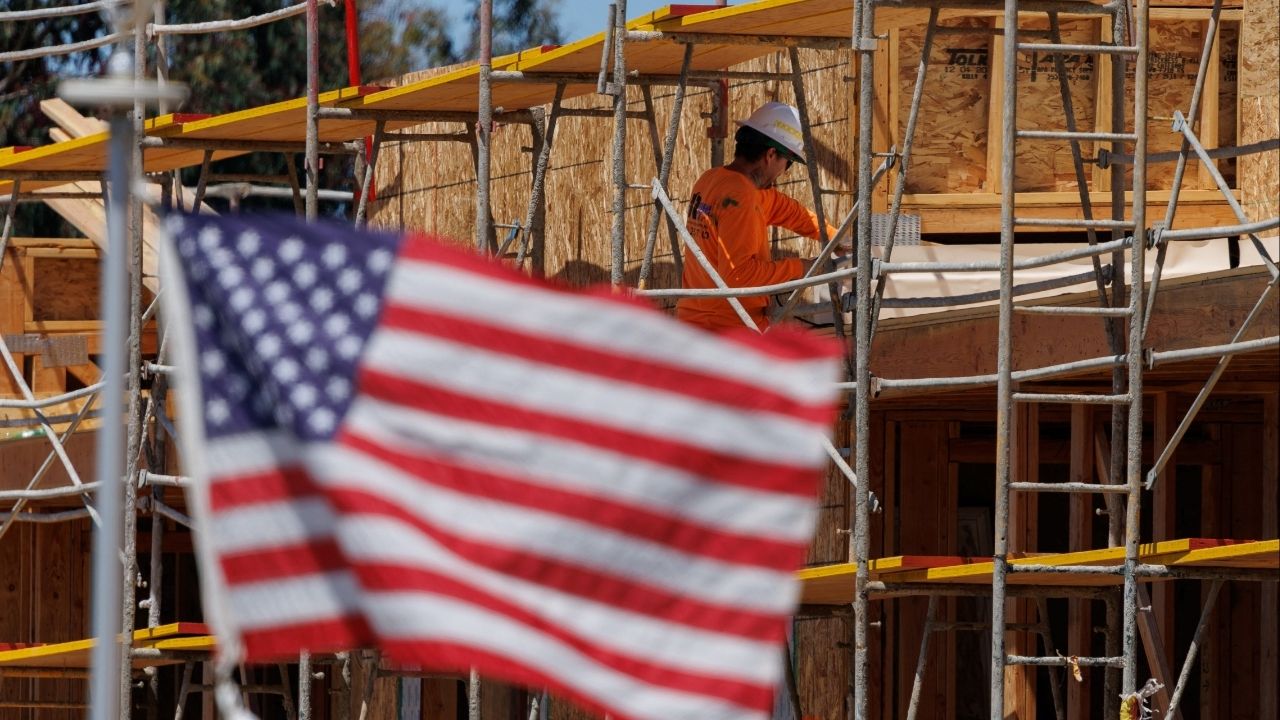
After President Donald Trump imposed tariffs on goods from Canada, many Canadians responded with boycotts of the United States including slowing their purchases of U.S. homes.
It appears some Canadians are beginning to soften their stance.
According to new data from Realtor.com, purchases by Canadian buyers picked up in the first quarter of 2026. Canadians accounted for 37.8% of home purchases among international buyers in the U.S., up from 34.8% a year earlier.
RELATED STORY | Trump threatens political payback on Republicans opposing Canada tariffs
That share is still below 2024 levels, when Canadians made up more than 41% of international home purchases.
Canadians remain the dominant force in international buying, with Mexican buyers in second place at 6.4%.
Like many international buyers, Canadians continue to show interest in the Sun Belt.
Canadian buyers are re-entering the U.S. market, but cautiously, said Jiayi Xu, an economist at Realtor.com. The rebound in interest were seeing in Sun Belt and Southwest metros reflects that the appeal of warm weather and relative affordability hasnt faded but the full recovery of pre-tariff enthusiasm has yet to materialize. These trends underscore how geopolitical and economic policy decisions can have lasting ripple effects on real estate demand, even across borders.
RELATED STORY | Ontario to pull ad criticizing US tariffs after weekend World Series games
The modest return of Canadian buyers has given a boost to some Southern housing markets. Canadians account for 71% of international demand in Cape Coral, Florida, Realtor.com said. They also make up more than 70% of international buyers in Naples, Florida, and nearly 67% in the Phoenix area.
According to the National Association of Realtors, foreign buyers made up 1.9% of all home purchasers last year, accounting for $56 billion in sales. International buyers are more likely than Americans to pay cash and to buy more expensive homes.