California Goes After ‘Vexatious’ PAGA Law Firms. How Much Have They Cost Employers?
 QWER
QWER
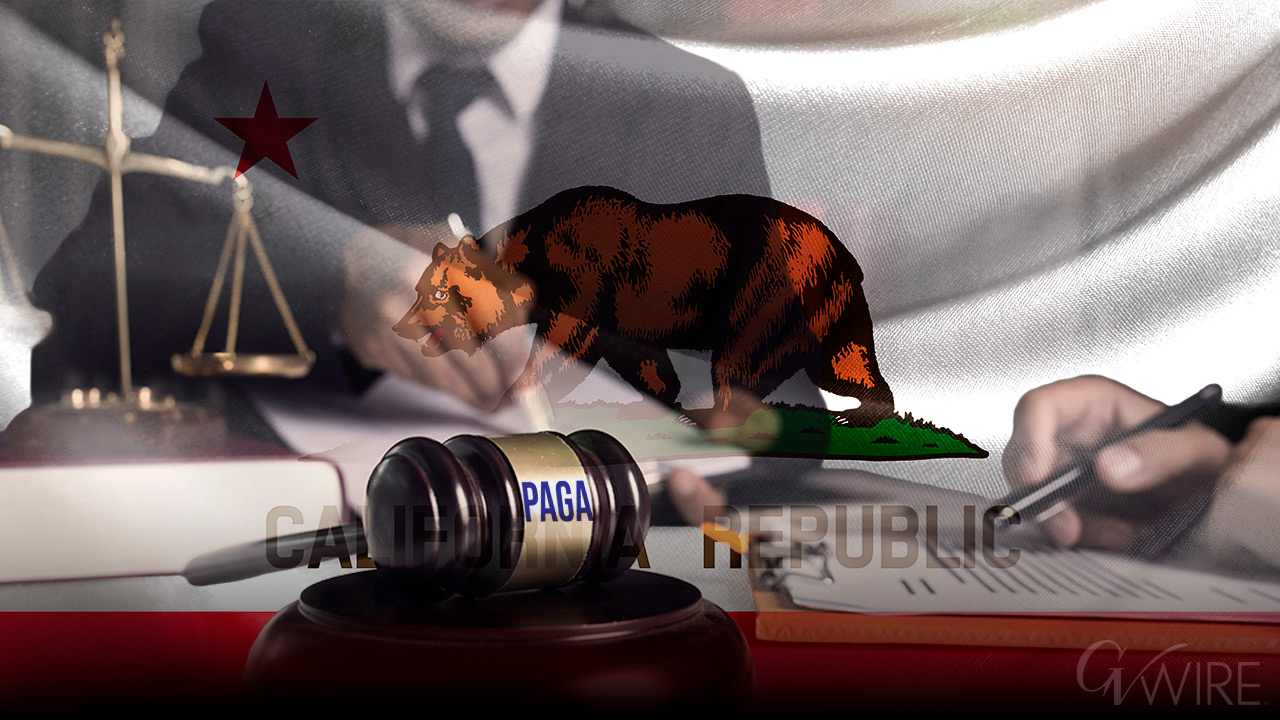
When California legislators approved the Private Attorney General Act in 2004, they did so because they knew the state’s labor enforcers could never keep up with the numbers of worker complaints.

“A billion-dollar industry and where is it coming out of? It’s coming out of all the employers. Where’s this money going? It’s going to mostly the attorneys.” — Tom Manzo, founder, California Business & Industrial Alliance
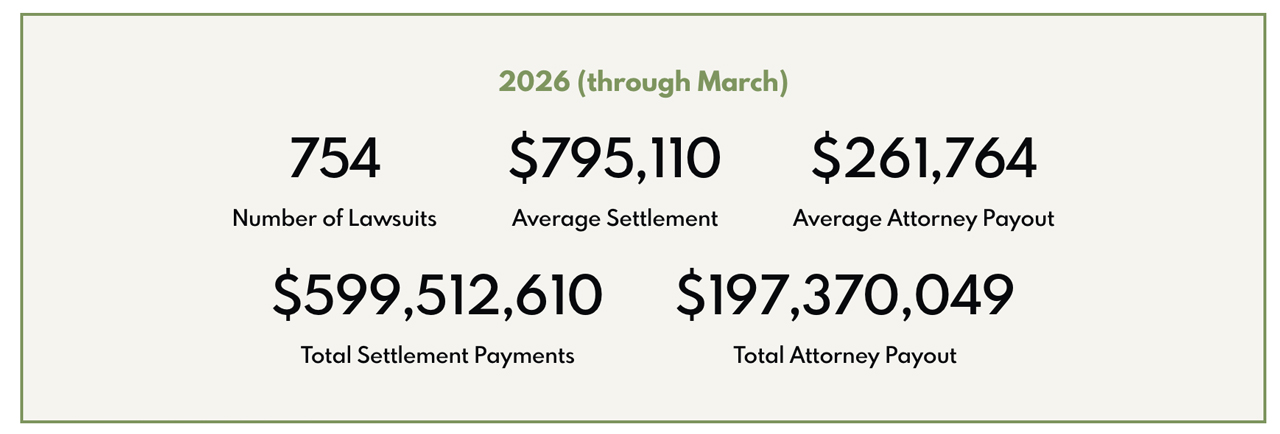
What’s it turned into, however, said Tom Manzo, founder of the California Business & Industrial Alliance, is a multibillion-dollar industry benefitting select attorney groups. The group recently published a new tracker outlining PAGA lawsuits and payouts.
Now the state, two years after passing PAGA reforms is considering more, namely, requiring “vexatious” or “frivolous” filers to identify themselves as such when filing complaints.
On April 9, the Labor & Workforce Development Agency heard public comment about new PAGA rules.

Manzo, however, said the law has been squeezing employers out of the state and the state needs to make real reform, taking back the work of resolving labor disputes.
“This is a billion-dollar industry and nobody even talks about it,” Manzo said. “A billion-dollar industry and where is it coming out of? It’s coming out of all the employers. Where’s this money going? It’s going to mostly the attorneys.”
Courts Provide Employee Protection: Kingsley
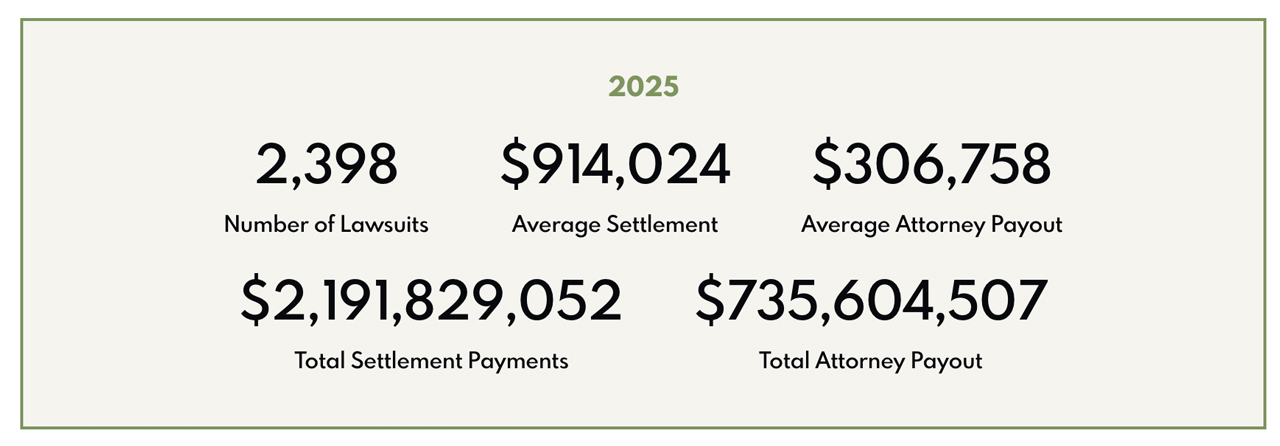
After the state passed reforms in 2024, Manzo said little happened to alleviate stressors on business. PAGA payouts climbed the year after reforms were passed, reaching nearly $2.2 billion across 2,400 lawsuits. Of that total, $735 million went to attorneys, according to the tracker.

“If you were to repeal PAGA, essentially, you would have a situation where nobody could get collective redress and it would create no incentive for employers to follow the law.” — Eric Kingsley, attorney, Kingsley Szamet Employment Lawyers
This year, the state is on track to beat that amount.
The problem, PAGA attorneys tell GV Wire, is that employees have few avenues besides the courts. Encino attorney Eric Kingsley, who helped author those 2024 reforms, said PAGA has been employers’ way of getting justice for unpaid wages and labor violations.
“If you were to repeal PAGA, essentially, you would have a situation where nobody could get collective redress and it would create no incentive for employers to follow the law,” Kingsley said.
Fresno attorney Shelley Bryant of Bryant Whitten said the state gave the power to private citizens to go after labor violations because it couldn’t handle the caseload. He said repealing PAGA would be like “going back in history and it just didn’t work.”
“I am confident that employers would say the law is overused and should have never been enacted,” Bryant said. “They enjoyed the administrative forum, which was always less expensive than court proceedings.”
2026 on Track to Beat 2025 for PAGA Payouts
Most PAGA suits cover missed lunches or unpaid overtime or wages.
Since the law’s passage, though, it has weaponized California’s thousands of labor laws, Manzo said.
“We’re effectively outsourcing labor law enforcement, and business owners are paying a fortune because of it,” Manzo said.
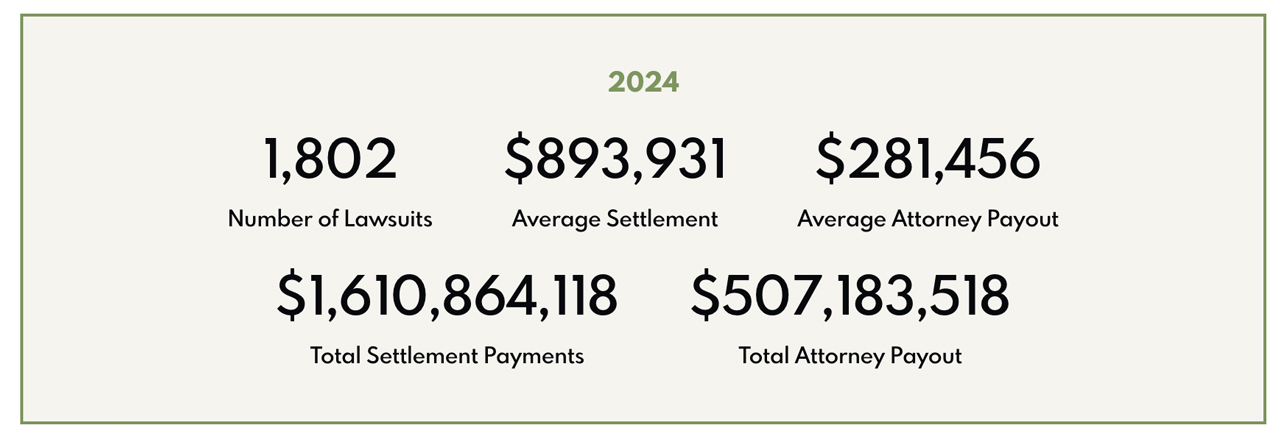
In 2024, the 1,806 lawsuits brought about $1.6 billion in payments, with $508.9 million going to attorneys. The next year, after lawmakers approved what was supposed to be “comprehensive reform,” that amount grew to $2.2 billion across 2,420 lawsuits, with $740 million going to attorneys.
If the trend in 2026 continues, the nearly $600 million in payouts through March would exceed 2025.
That doesn’t include payouts that never make it through the court system. Given how expensive and lengthy the legal process can be, many businesses will simply pay after receiving a threatening letter, Manzo said.
Last year, 9,000 PAGA notices went out to businesses with only 2,420 lawsuits settled, Manzo said.
“What ends up happening is traditionally the state gets zero, nobody’s getting anything on it except the lawyer,” Manzo said. “The lawyer gets the lion’s share of this.”
Three Law Firms Filed a Quarter of All PAGA Notices: LWDA
The workforce development agency in its new proposed rules acknowledged how pervasive PAGA problems have become. With only the use of a template, law firms can send out PAGA notices to businesses en masse.
Five law firms sent out a quarter of all the 8,800 PAGA notices in fiscal year 2024-25, the agency wrote in its report. Three law firms filed on average more than one a day that year, with the top firm filing 605 notices, followed by another filing 535.
One attorney that year filed 597 PAGA notices. The sheer volume of vague notices keeps businesses and the state from assessing their true threat or merit, the agency said.
“These attorneys and law firms generally use template PAGA notices they have developed, and these templates typically allege the same Labor Code violations in each case, often repeating the same conclusory descriptions of the violations alleged,” the agency reports. “This conduct impedes the Agency’s role under the law.”
New rules would require law firms that file more than 200 notices to prove that allegations are more than boilerplate. Filers or attorneys designated as “vexatious” could be screened before any notices they file.
Two law firms — including Moon Law Group, the law firm identified by the tracker as having filed the most PAGA notices in California in recent years — objected to the rules ion public comment. The law firm called the cap “arbitrary” and lacking a “rational basis for the threshold.”
Blackstone Law said the courts should define “vexatious,” not an agency.
“Big does not equal vexatious. Merit is the only relevant metric, and only courts can determine it,” a comment from the firm stated.
Elk Grove restaurant owner Franco Cassella said law firms didn’t object out of a “concern of justice for their clients.”
“This illustrates how PAGA has become an industry hijacked by plaintive attorneys who don’t even try to pretend they have their clients best interest in mind,” Cassella wrote in a public comment.
State Needs to Take Labor Enforcement Powers Back: Manzo
Given how “boilerplate” PAGA has become, Manzo said the state could take labor enforcement issues back with relative ease. The state takes 65% of PAGA penalties, and it could use that money to pay for staff.
“If you look at how much revenue it’s generated, how much revenue the state has, they have money right now. They could go out and hire people right now. They’re not doing it, Manzo said.”
The problem he says is PAGA discussions draw in heavy-hitting lobby groups from all sides.
Lawmakers created the 2024 reforms — AB 2288 and SB 92 — as a way to placate the authors of a proposed constitutional amendment that would have “made PAGA toothless,” Kingsley said.
The changes, however, have largely gone unused, Kingsley said, despite business advocacy groups such as the California Chamber of Commerce backing them.
Some of those negotiated changes are unrealistic for businesses, Kingsley and Manzo said.
Arbitration Rules Made PAGA Necessary: Kingsley
Federal arbitration requirements make PAGA necessary for employees facing workplace violations, Kingsley said. A 2011 court decision expanded the power of those agreements, affecting the roughly 67% of Californians under mandatory arbitration agreements.
He said it wasn’t until after the “Concepcion” decision that PAGA really picked up. Arbitration claim caps made it so that attorneys had to pick up large groups of clients.
“It’s very difficult for a law firm to litigate a claim for $5,000,” Kingsley said. “But if there’s a thousand people that are owned $5,000, that’s $5 million.”
The alternative would be class-actions lawsuits, which have even more power, he said. He said real reform needs to come from Congress.
“If Congress passed a law tomorrow that said employment cases are exempt from the Federal Arbitration Act, we would have no problem repealing PAGA,” Kingsley said.
The post California Goes After ‘Vexatious’ PAGA Law Firms. How Much Have They Cost Employers? appeared first on GV Wire.