Bessent Says Gulf, Asian Allies Request Swap Lines, UAE and US Would Benefit from One
 QWER
QWER
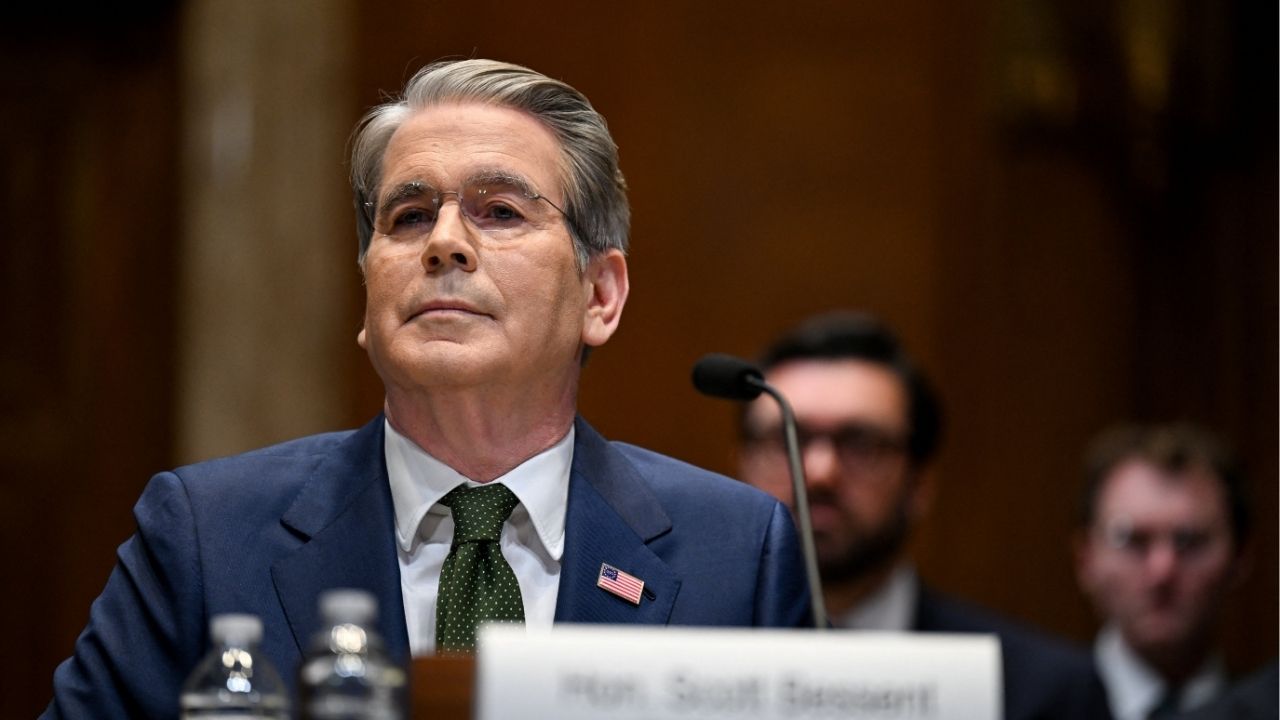
U.S. Treasury Secretary Scott Bessent said on Wednesday that a number of allies in the Gulf region and in Asia have requested currency swap lines from the United States to help deal with energy shocks and other fallout from the Middle East war.
Bessent told U.S. senators that both the U.S. and the United Arab Emirates would benefit from a proposed swap line that President Donald Trump said he was considering on Tuesday.
Bessent did not name the countries making such requests, but told a U.S. Senate Appropriations subcommittee budget hearing that such facilities would help stabilize financial markets amid turmoil from the Iran war.

“And swap lines, whether it’s from the Federal Reserve or the Treasury, are to maintain order in the dollar funding markets and to prevent the sale of the U.S. assets in a disorderly way,” Bessent said. “So, the swap line would benefit both the UAE and the U.S., and as I said, numerous other countries, including some of our Asian allies, have also requested them.”
The U.S. Treasury last October provided Argentina with a $20 billion currency swap to help stabilize the country’s peso during a tumultuous election period that helped strengthen the position of President Javier Milei’s party.
That swap line, backed by the Treasury’s $219 billion Exchange Stabilization Fund, provided Argentina with a safety net of dollars that the central bank could use to help prop up the value of the peso and prevent a devaluation ahead of the vote. It has since been repaid.
Requests for Russian Oil
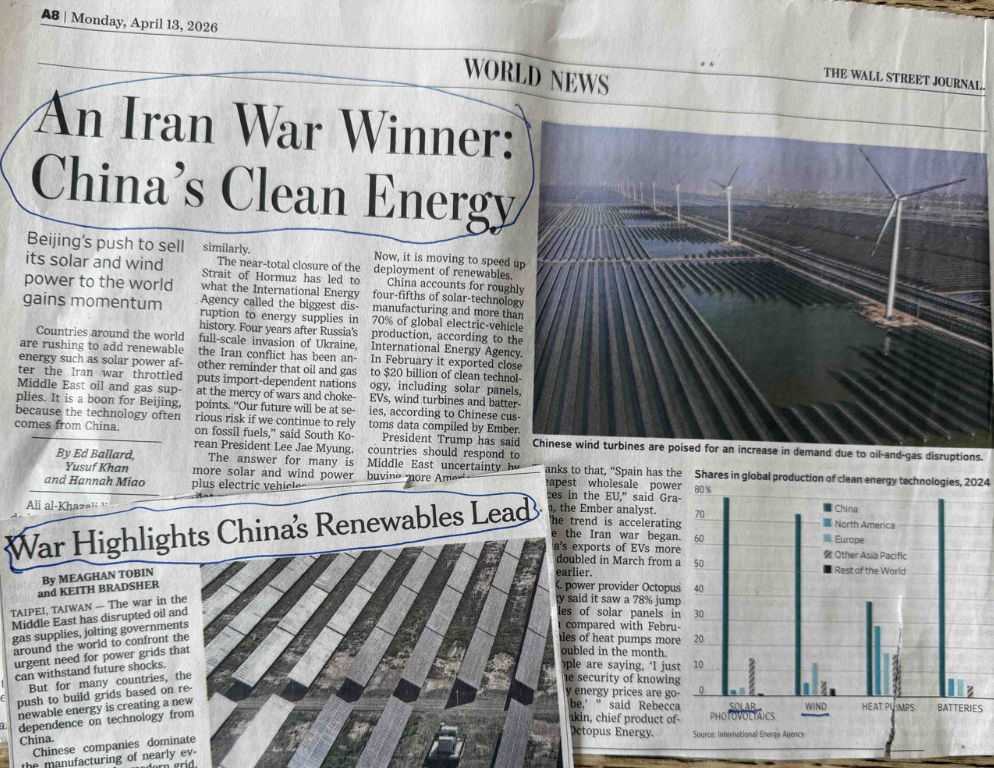
Bessent also said that he extended sanctions relief on Russian seaborne oil for another 30 days after requests from a number of countries that are most vulnerable to oil shortages from the closed Strait of Hormuz. The requests came during last week’s International Monetary Fund and World Bank spring meetings, he said.
The action reversed his comments last week that he would not renew expiring sanctions waivers. A separate waiver to allow countries to buy Iranian oil stranded at sea lapsed on April 19.
Bessent said estimates that Iran has gained more than $14 billion from the relief are “a myth,” but he did not provide an alternate figure.
Both waivers allowed the Treasury to supply the market with some 250 million barrels of oil stored in tankers, helping to bring down prices, Bessent said.
Asian economies in particular have struggled with lack of physical oil supplies from the Gulf region since the beginning of March, after the U.S. and Israel launched strikes.
He said that for benchmark oil prices at $100 per barrel, “if we had not done that sanctions relief, they might have been at 150.”
(Reporting by David Lawder, Editing by Franklin Paul and Andrea Ricci)
The post Bessent Says Gulf, Asian Allies Request Swap Lines, UAE and US Would Benefit from One appeared first on GV Wire.